Replace your toothbrush every three to four months, or sooner if the bristles look frayed, you’ve recently been sick, or you notice a lingering odor. Between replacements, rinse it thoroughly after every use, store it upright in the open air rather than in a closed container, and never share it with anyone else. Skipping these basics doesn’t just shorten your toothbrush’s life — it lets bacteria build up and reduces how well the brush actually removes plaque, which raises your risk of cavities and gum disease over time even if you’re brushing twice a day faithfully.
Why Toothbrush Care Matters More Than People Think
Most people focus entirely on how often they brush and give almost no thought to the tool doing the work. But a toothbrush that’s worn out, poorly stored, or overdue for replacement can quietly undermine an otherwise solid brushing routine. Frayed bristles don’t clean as effectively, damp storage encourages bacterial growth, and a brush that’s been sitting around for six or eight months is doing noticeably less than it was on day one.
This matters because brushing is your first line of defense against plaque — the sticky bacterial film that leads to cavities and gum disease if it isn’t removed consistently. A brush that’s lost its shape can leave that film behind even when you’re following the right technique, which means toothbrush care isn’t a minor afterthought — it’s part of what makes your daily routine actually work.
How Often Should You Really Replace Your Toothbrush?
Dental associations recommend replacing a toothbrush every three to four months, since bristles gradually lose their shape and cleaning effectiveness well before they look obviously worn out. This applies equally to manual toothbrushes and the brush heads on electric toothbrushes — neither type gets a pass on the replacement schedule.
A few situations call for replacing your toothbrush sooner than the standard interval:
You’ve recovered from a cold, flu, or throat infection
The bristles are visibly bent, splayed, or frayed
You brush with a lot of pressure, which wears bristles down faster
It’s a child’s toothbrush, since kids tend to chew on bristles and brush more aggressively
You’re using it alongside braces or aligners, which puts extra strain on the bristles
If you’re not sure whether your toothbrush still has life left in it, the bristles are the clearest indicator — once they’ve lost their upright shape, they’re no longer making the kind of precise contact with your teeth and gumline that effective brushing depends on.
5 Signs Your Toothbrush Needs to Be Replaced Sooner
Certain visible and situational signs indicate a toothbrush needs replacing before the standard three-to-four-month mark, since a worn brush loses cleaning effectiveness well before most people think to check it. Watch for:
Frayed or splayed bristles that no longer stand upright in neat rows
A persistent odor that doesn’t go away even after rinsing and air-drying
Discoloration on the bristles or handle, which can indicate bacterial buildup
Recent illness — a cold, flu, or any throat or mouth infection is a reasonable prompt to swap it out
Noticeably reduced cleaning feel — if your teeth don’t feel as clean after brushing as they used to, the brush is often the reason
None of these signs require guesswork once you know what to look for, and catching them early is a simple, low-cost way to keep your daily brushing actually effective.
How to Clean and Store Your Toothbrush Properly Between Uses
Good toothbrush hygiene comes down to a few consistent habits:
Rinse thoroughly after every use to remove leftover toothpaste and debris — plain water is sufficient for this
Store it upright rather than lying flat, so it can drain and dry rather than sitting in moisture
Let it air dry in the open, since closed containers trap moisture and create conditions bacteria prefer
Keep it away from other toothbrushes in a shared holder, so bristles from different brushes don’t touch
Never share it, even briefly — saliva exchange through a shared toothbrush is an easy way to pass bacteria and viruses between people
These habits don’t require any special products, just a small adjustment to where and how you keep your toothbrush day to day.
Manual vs. Electric Toothbrush: Does Care Differ?
Both manual and electric toothbrushes need the same three-to-four-month replacement schedule and the same rinse-and-air-dry storage routine — the type of brush doesn’t change the underlying hygiene principles. The one meaningful difference is with electric toothbrush heads, which sometimes include indicator bristles that visibly fade in color as a built-in reminder to replace them.
Neither manual nor electric toothbrushes are inherently better at cleaning teeth — both are effective when used correctly, twice a day, for two minutes, with a soft-bristled head. The choice generally comes down to personal preference and ease of use rather than one being a hygienic upgrade over the other.
Toothbrush Care for Kids, Braces, and Aligners
A few situations call for a slightly closer eye on toothbrush condition:
Children tend to brush more aggressively and sometimes chew on the bristles, which wears a toothbrush out faster than the standard three-to-four-month timeline. Checking a child’s toothbrush more frequently — and involving them in learning good technique early — supports better habits long-term; our kids dentistry team can help with age-appropriate brushing guidance during routine visits.
Braces create more surfaces for plaque to hide around brackets and wires, which puts extra strain on toothbrush bristles and often calls for interdental brushes alongside a standard toothbrush. If you’re currently in braces treatment, ask your orthodontist about the specific brushing tools recommended for your appliance.
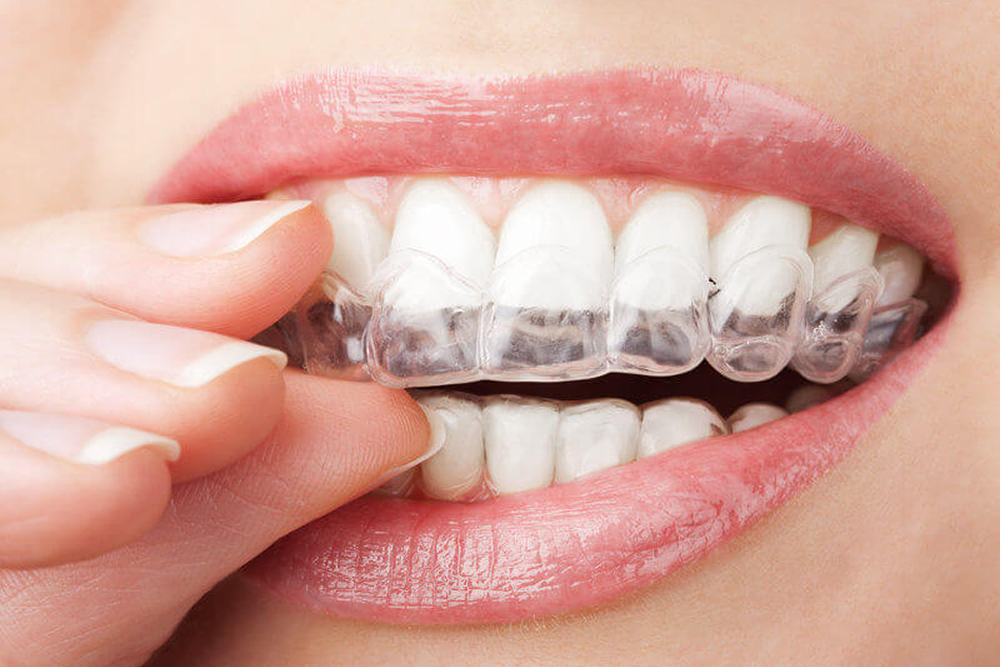
Aligner wearers need to keep both their toothbrush and their aligner trays clean, since trays sit directly against the teeth for most of the day. Anyone using clear aligners should brush before reinserting trays to avoid trapping food particles and bacteria against the teeth for extended periods.
What Happens If You Neglect Toothbrush Care?
Skipping toothbrush care doesn’t cause immediate, obvious problems — which is exactly why it’s easy to overlook. But the effects build gradually. A worn brush leaves more plaque behind at each brushing, and over months, that difference adds up to a meaningfully higher risk of tooth decay and gum inflammation that can progress toward more serious gum disease if left unaddressed.
The connection isn’t always obvious to patients, since the toothbrush itself rarely gets blamed when a cavity or gum problem shows up at a check-up. But dentists often trace preventable issues back to a combination of technique and equipment — and an overdue toothbrush replacement is one of the simplest variables to fix.
Building a Toothbrush Care Routine That Sticks
The easiest way to stay on schedule is to tie toothbrush replacement to something you already track — the start of a new season, a recurring calendar reminder, or simply picking up a fresh brush every time you’re at the pharmacy for something else. Small, consistent habits — rinsing after use, storing upright, replacing on schedule — matter more than any single specialized product, and they cost far less than treating the cavities or gum problems that neglect eventually leads to.
At Krishna Dental Hospitals, we cover toothbrush technique and hygiene as part of every routine check-up, since good home care is what keeps the six months between visits from undoing the work of a professional cleaning. If it’s been a while since your last check-up — or since you last thought about your toothbrush — book a free consultation at one of our Hyderabad locations: Kondapur, Kukatpally, Kompally, A.S. Rao Nagar, or HITEC City.
Dr. Naresh Krishna Reddy(BDS, MDS – Conservative Dentistry and Endodontics, MNR Dental College) leads the clinical team at Krishna Dental Hospitals, with a focus on preventive dentistry and patient education on daily oral hygiene.
Medical Disclaimer
This article is for general informational purposes only and does not substitute professional dental advice, diagnosis, or treatment. Individual brushing and toothbrush care recommendations should be discussed with a qualified dentist.