Maintaining a bright, healthy smile is about more than just the time you spend with your toothbrush; it starts with what you put on your plate. Nutrition plays a pivotal role in strengthening enamel, preventing gum disease, and neutralizing the acids that lead to decay. By incorporating specific “superfoods” for oral health—ranging from calcium-rich dairy to crunchy, saliva-stimulating vegetables—you can create a natural defense system for your mouth. This guide explores the best dietary choices to ensure your teeth remain strong and your gums stay resilient for a lifetime.
The Science of Dental Nutrition: How Food Protects Your Enamel
When we think of dental health, we often focus on the removal of bacteria. However, the approach to health emphasizes the proactive “building” of tissue. Your teeth are made of the hardest substance in the human body—enamel—but they are not invincible.
The best dentist in Hyderabad will tell you that enamel is constantly undergoing two processes: demineralization and remineralization. When you eat sugary or acidic foods, minerals are leached from your teeth. Conversely, when you consume foods high in calcium and phosphorus, those minerals are redeposited. This biological tug-of-war determines whether you develop a cavity or maintain a rock-solid smile.
1. Dairy: The Calcium Powerhouse
Milk, cheese, and plain yogurt are the traditional champions of dental health. Cheese, in particular, is a triple threat:
pH Balancing: It raises the pH level in your mouth, making it less acidic.
Enamel Repair: It is rich in calcium and protein that fortifies tooth structure.
Saliva Production: The act of chewing cheese stimulates saliva, which acts as the mouth’s natural cleansing agent.
2. The “Natural Toothbrush”: Crunchy Fibrous Veggies
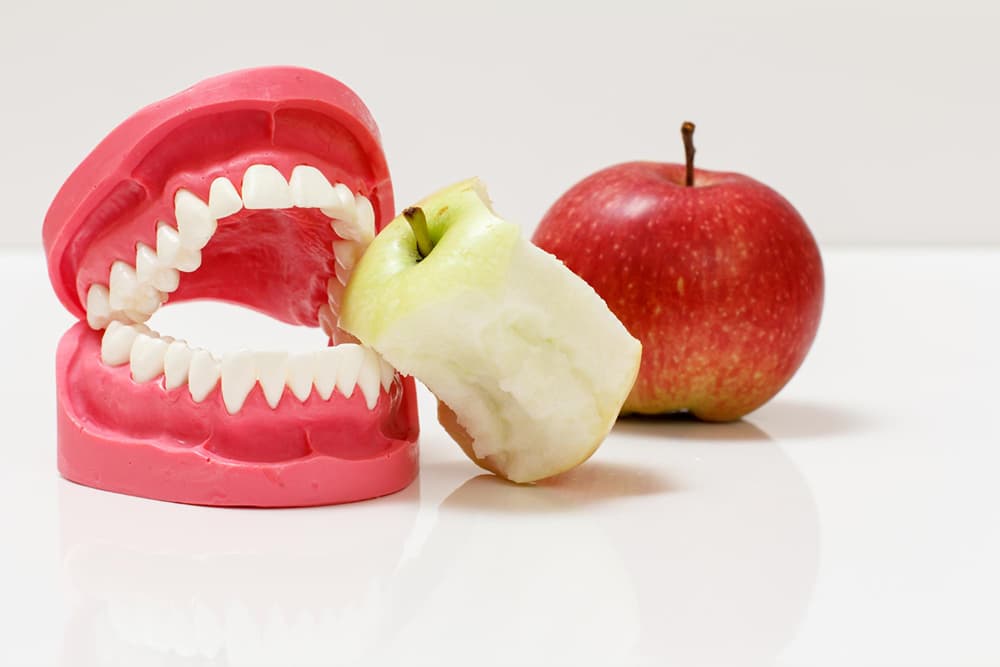
If you are looking for Dental Hospitals in Kompally, you’ll find that many specialists recommend “detergent foods.” Raw carrots, celery, and apples require significant chewing. This mechanical action literally scrubs the surfaces of your teeth, removing plaque and food particles that have settled in the grooves. Celery is often called “nature’s floss” because its fibrous strands can help clean between teeth while its high water content dilutes oral sugars.
Unique Topics: Beyond the Basic "Brushing" Narrative
While most people know sugar is “bad,” fewer understand the role of specific bio-compounds found in unique food groups.
Shiitake Mushrooms and Plaque Control
Shiitake mushrooms contain a polyglycan called Lentinan. Research suggests that Lentinan specifically targets the bacteria responsible for plaque—Streptococcus mutans—without harming the beneficial bacteria in your oral microbiome. Adding these to your stir-fry is a sophisticated way to manage oral biofilm.
The Power of Green and Black Teas
Teas are rich in polyphenols. These compounds serve two purposes:
Bacterial Inhibition: They suppress the growth of cavity-causing bacteria.
Fluoride Source: If brewed with fluoridated water, tea becomes a double-win for enamel hardening. Just be sure to drink them without added sugars to reap the full benefits.
Anthocyanins in Dark Berries
While some berries can stain, cranberries and blueberries contain anthocyanins. These prevent bacteria from “sticking” to the tooth surface. Think of it as a non-stick coating for your smile. If you are concerned about staining after eating dark fruits, a quick rinse with water is usually sufficient to protect your aesthetics.
Local Expertise: Why Professional Guidance Matters
Even with a perfect diet, professional intervention is necessary to remove calcified plaque (tartar) that a toothbrush simply cannot reach. For those living in the northern corridors of the city, Krishna Dental Hospitals offers state-of-the-art diagnostic tools to see how your diet is impacting your oral health. Modern dentistry has evolved to include “Nutritional Counseling,” where specialists analyze your eating habits to prevent issues before they require a drill.
Strategic Snacking for Kids and Adults
Snacking frequency is often more damaging than the snack itself. Every time you eat, your mouth stays acidic for about 20 minutes.
Choose: Almonds, walnuts, or pumpkin seeds. They are low in sugar and high in the minerals your teeth crave.
Avoid: “Sticky” healthy foods like dried apricots or raisins. While they have vitamins, their glue-like consistency keeps sugar in contact with enamel for hours.
FINAL THOUGHT
Your diet is the foundation upon which your oral health is built. By choosing crunchy vegetables, mineral-rich dairy, and antioxidant-heavy teas, you provide your body with the raw materials needed to repair and protect your smile. Remember, nutrition works best alongside professional care. Combining a tooth-friendly diet with regular visits to a trusted clinic ensures that your pearly whites remain healthy, functional, and beautiful for decades to come.
Frequently Asked Questions
Q1: Can certain foods actually whiten my teeth naturally?
Yes, to an extent. Crunchy fruits and vegetables like apples and strawberries contain malic acid, which can act as a natural astringent to help remove surface stains. However, for significant whitening, professional treatment is still the gold standard.
Q2: Is it true that I should wait to brush after eating acidic fruits?
Absolutely. Acid softens the enamel. If you brush immediately after eating citrus or drinking soda, you may actually scrub away the softened enamel. It is best to wait at least 30 to 60 minutes.
Q3:How does water intake affect my dental health?
Water, especially fluoridated water, is the best beverage for your teeth. It rinses away food debris and keeps your saliva levels high. Saliva is 99% water and contains essential minerals that prevent tooth decay.
Q4: Are “sugar-free” candies actually safe for my teeth?
Most are safer than regular candy, especially those sweetened with Xylitol. Xylitol is a natural sweetener that bacteria cannot ferment, meaning they cannot produce the acid that causes cavities.
Q5: Why are raisins considered bad for teeth if they are fruit?
While raisins contain fiber and vitamins, they are highly concentrated in sugar and extremely sticky. They get lodged in the deep grooves of the molars, providing a long-term food source for harmful bacteria.