Foods for Healthy Teeth: The Ultimate Guide to a Radiant Smile
A healthy smile does not depend only on brushing and dental checkups. What you eat every day also plays an important role in keeping your teeth strong, your gums healthy, and your mouth fresh.
The right foods can support tooth enamel, improve saliva flow, protect gums, and reduce the risk of cavities. On the other hand, frequent sugary snacks, soft drinks, sticky sweets, and acidic foods can slowly damage your teeth.
At Krishna Dental Hospitals, we often see that many dental problems begin with small daily habits. Brushing twice a day is important, but your food choices can either protect your teeth or make them weaker over time.
This guide will help you understand the best foods for healthy teeth, what to avoid, and how to build a tooth-friendly diet for both children and adults.
Why Food Matters For Dental Health
Your mouth has bacteria. Some bacteria are harmless, but some feed on sugar and starch from food. When they break down these foods, they produce acids. These acids attack the tooth enamel and can lead to cavities.
Tooth enamel is the hard outer layer of your teeth. Once enamel is damaged, it does not grow back naturally. That is why protecting enamel through good food habits and oral care is very important.
A healthy diet helps in three ways:
- It gives your teeth important minerals like calcium and phosphorus.
- It supports gum health with vitamins and antioxidants.
- It increases saliva, which naturally washes away food particles and acids.
So, when we talk about foods for healthy teeth, we are not only talking about strong teeth. We are also talking about better gums, fresher breath, fewer cavities, and long-term oral health.
Best Foods For Healthy Teeth And Gums
1. Milk, Curd, Paneer, And Cheese
Dairy products are among the best foods for strong teeth. Milk, curd, paneer, and cheese contain calcium and phosphorus. These minerals help keep your enamel strong and support healthy bones.
Cheese is also helpful because it increases saliva flow. Saliva helps clean the mouth naturally and reduces acid levels after eating.
Curd is another good option, especially when it is plain and unsweetened. It contains protein and calcium, which support both teeth and gums.
Good choices include:
- Plain curd with lunch
- Paneer with vegetables
- Milk without added sugar
- A small amount of cheese after meals
Avoid flavoured yogurt or sweetened milk drinks because they often contain added sugar.
2. Crunchy Fruits And Vegetables
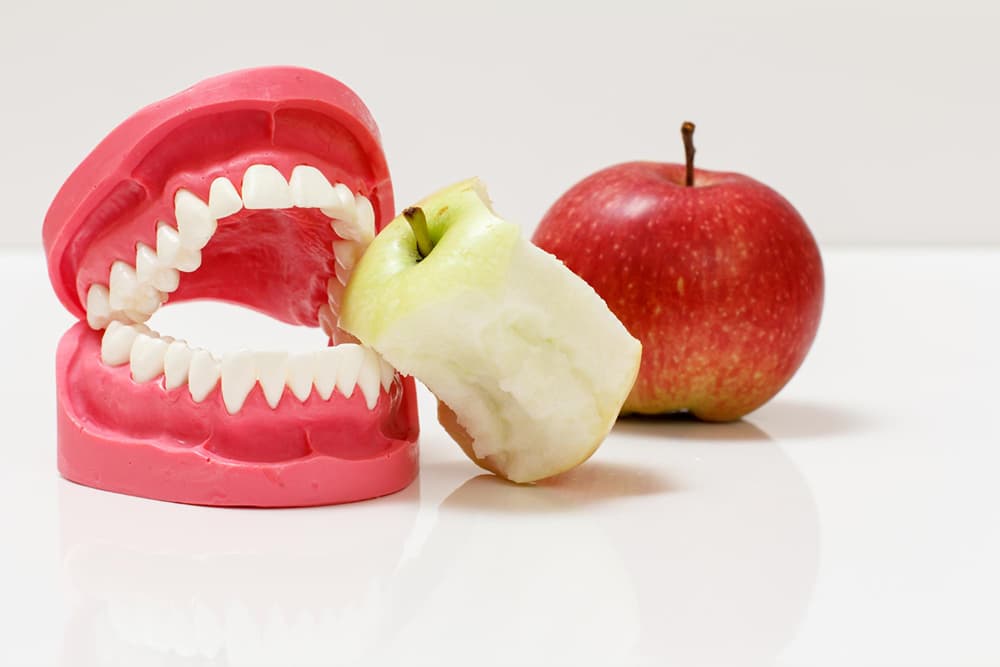
Crunchy fruits and vegetables are excellent for oral health because they require chewing. Chewing increases saliva, and saliva helps wash away food particles.
Foods like carrots, apples, cucumbers, pears, and celery also have fiber and water. They are much better snack choices than biscuits, chips, or sweets.
Good options include:
- Carrots
- Apples
- Cucumbers
- Guava
- Pears
- Celery
These foods do not replace brushing, but they help keep the mouth cleaner between meals.
For children, sliced apples, cucumber sticks, and carrot sticks can be healthy evening snacks.
3. Leafy Green Vegetables
Leafy greens are rich in vitamins and minerals that support teeth and gums. They are low in sugar and high in nutrients, making them a smart addition to your daily diet.
Good options include:
- Spinach
- Methi
- Amaranth leaves
- Drumstick leaves
- Curry leaves
- Coriander
Leafy greens can be added to dal, curry, dosa batter, paratha, soups, or salads.
If your gums bleed while brushing, leafy greens may support gum health, but they cannot treat gum disease on their own. Bleeding gums should always be checked by a dentist.
4. Nuts And Seeds
Nuts and seeds are good for teeth because they contain minerals, healthy fats, and protein. They are also low in sugar compared to many packaged snacks.
Good options include:
- Almonds
- Walnuts
- Sesame seeds
- Pumpkin seeds
- Chia seeds
- Groundnuts without sugar coating
Almonds and sesame seeds are especially useful because they contain calcium and other minerals.
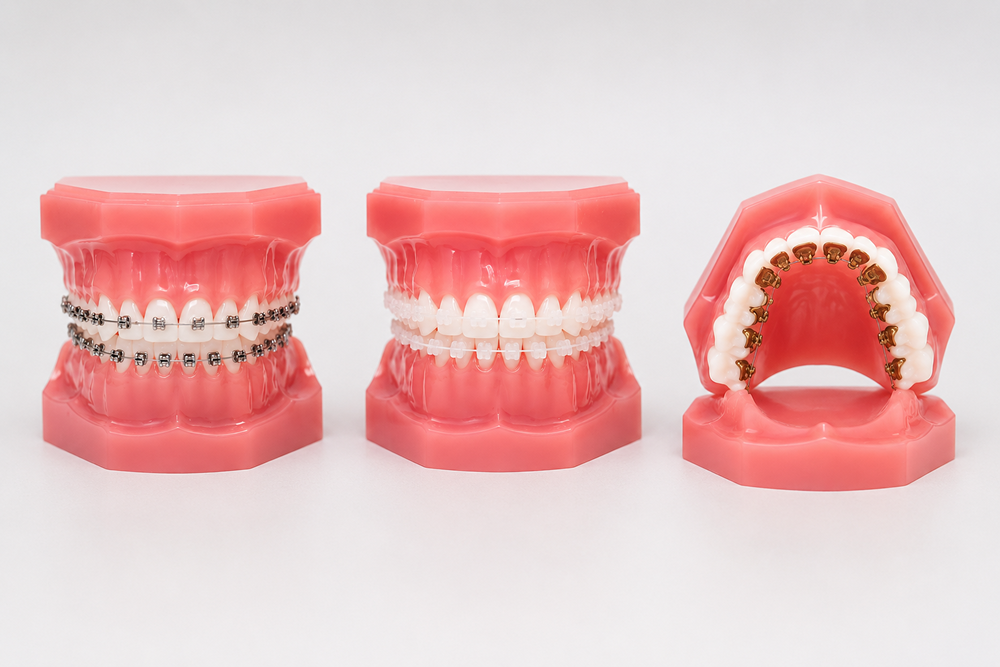
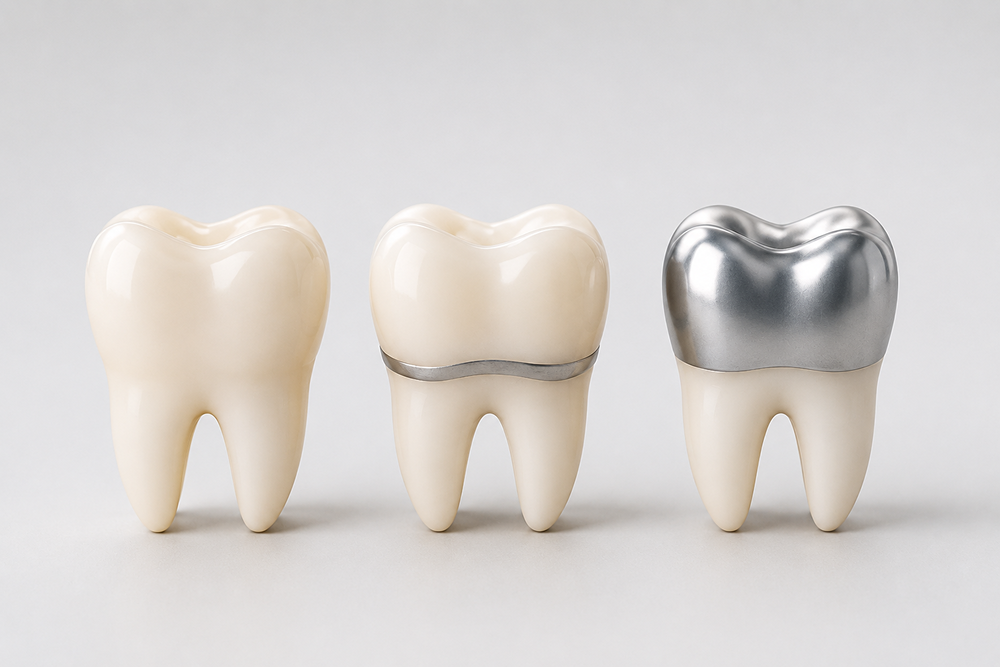
However, if you have weak teeth, dental crowns, braces, or sensitivity, avoid biting very hard nuts directly. Eat them in smaller pieces or ask your dentist what is safe for you.
5. Eggs, Fish, Dal, And Protein-Rich Foods
Protein is important for gum repair and overall oral health. Protein-rich foods also support the body’s ability to maintain healthy tissues.
Good protein sources include:
- Eggs
- Fish
- Chicken
- Dal
- Chana
- Rajma
- Sprouts
- Tofu
- Paneer
Fish and eggs also provide nutrients that help your body use calcium better. For vegetarians, dal, sprouts, paneer, tofu, curd, and nuts are helpful options.
A balanced protein intake is especially important for children, older adults, and people recovering from dental treatments.
6. Green Tea And Unsweetened Tea
Green tea and unsweetened tea can support oral health when consumed without sugar. They contain natural compounds that may help reduce harmful bacteria in the mouth.
The important point is to avoid adding too much sugar. Drinking sweet tea many times a day can increase cavity risk.
Better choices include:
- Green tea without sugar
- Black tea without sugar
- Herbal tea without sugar
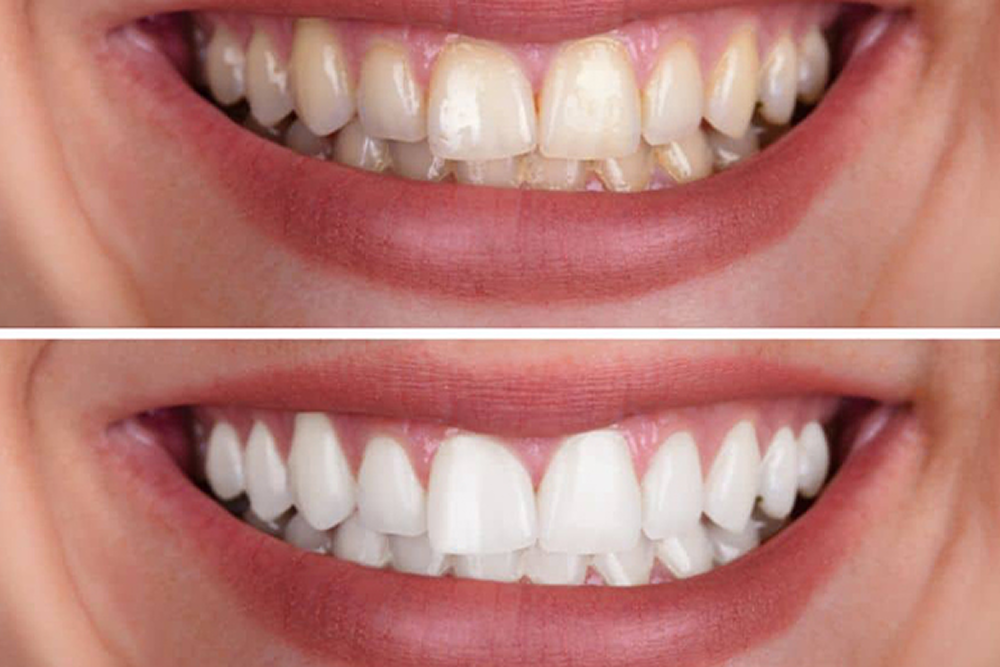
If tea causes stains on your teeth, rinse your mouth with water after drinking it. If stains are already visible, professional dental cleaning or teeth whitening may help.
7. Water
Water is one of the most important things for healthy teeth. It helps rinse the mouth, reduces dryness, and supports saliva production.
Drinking water after meals is a simple habit that can reduce food particles and acid in the mouth.
Water is especially useful after:
- Tea or coffee
- Sweets
- Snacks
- Acidic foods
- Meals outside the home
If your mouth feels dry often, do not ignore it. Dry mouth can increase the risk of cavities, bad breath, and gum problems.
Best Indian Foods For Strong Teeth
A healthy Indian diet can support strong teeth when it includes enough calcium, protein, fiber, and fresh foods.
Some good Indian food options for dental health include:
- Curd rice without sugar
- Dal with spinach or methi
- Paneer curry with vegetables
- Ragi dishes
- Sprouts salad
- Sesame chutney
- Carrot and cucumber salad
- Boiled eggs
- Buttermilk without sugar
- Fish curry with balanced spices
- Fresh coconut in moderation
For children, home-packed snacks are usually better than packaged snacks. A lunchbox with fruit, curd, nuts, cucumber, or vegetable-based snacks can help reduce cavity risk.
Foods That Can Harm Your Teeth
Some foods are not harmful when eaten occasionally. The problem begins when they are eaten too often or stay on the teeth for a long time.
1. Sticky Sweets
Sticky sweets are risky because they remain on the teeth for longer. This gives bacteria more time to produce acids.
Examples include:
- Toffees
- Caramels
- Jellies
- Sticky Indian sweets
- Sugar-coated candies
If you eat sweets, it is better to have them with a meal instead of eating them many times during the day.
2. Soft Drinks And Packaged Juices
Soft drinks and packaged juices can contain both sugar and acid. This combination can weaken enamel and increase cavity risk.
Even fruit juices can affect teeth if consumed often. Whole fruits are better because they contain fiber and require chewing.
3. Chips, Biscuits, And Packaged Snacks
Many people think only sweets cause cavities. But refined snacks like chips and biscuits can also stick to teeth and break down into sugars.
Common examples include:
- Potato chips
- Cream biscuits
- Cakes
- White bread
- Sugary cereals
- Packaged snacks
These foods are especially harmful when children eat them frequently between meals.
4. Very Acidic Foods And Drinks
Acidic foods can soften enamel temporarily. These include lemon-based drinks, vinegar foods, citrus juices, and some carbonated drinks.
You do not need to completely avoid healthy citrus fruits, but you should consume them smartly. Rinse your mouth with water after acidic foods and avoid brushing immediately.
Healthy Teeth Diet Tips For Children
Children are more likely to develop cavities because they often snack frequently and may not brush properly.
To protect your child’s teeth:
- Limit chocolates, candies, and packaged juices
- Give water instead of sugary drinks
- Add curd, fruit, paneer, eggs, or nuts based on age
- Avoid sending sticky sweets in the school lunchbox
- Teach brushing twice a day
- Schedule regular dental checkups
If your child has repeated cavities, the issue may not be only brushing. Food habits, snacking frequency, and dental cleaning should also be reviewed.
Healthy Teeth Diet Tips For Adults
Adults often face sensitivity, gum bleeding, stains, enamel wear, and bad breath. These problems can become worse with poor diet, smoking, stress, and irregular dental visits.
For better oral health:
- Drink enough water
- Reduce sugar in tea and coffee
- Avoid frequent snacking
- Add protein and calcium to meals
- Eat more fresh fruits and vegetables
- Do not ignore gum bleeding or sensitivity
- Visit a dentist regularly
If you have diabetes, gum problems, or dry mouth, dental checkups become even more important.
Can Food Alone Prevent Cavities?
No. Food can support healthy teeth, but it cannot replace brushing, flossing, fluoride toothpaste, dental cleaning, or professional checkups.
Even if you eat healthy food, plaque can still collect around your teeth. When plaque becomes hard, it turns into tartar. Tartar cannot be removed at home with brushing. It needs professional dental cleaning.
A good diet helps prevent problems. A dentist helps detect and treat problems early.
When Should You Visit A Dentist?
Visit a dentist if you notice:
- Tooth pain
- Sensitivity to hot, cold, or sweets
- Bleeding gums
- Bad breath that does not improve
- Food getting stuck between teeth
- White, brown, or black spots on teeth
- Pain while chewing
- Loose teeth
Early treatment can prevent bigger dental problems later.
If you are looking for expert dental care in Hyderabad, Krishna Dental Hospitals is available at Kukatpally, Kondapur, Kompally, and A.S. Rao Nagar.
FINAL THOUGHT
Healthy teeth begin with daily choices. The foods you eat can make your enamel stronger, support your gums, improve saliva flow, and reduce cavity risk.
Choose more dairy, leafy greens, crunchy fruits, vegetables, nuts, seeds, protein-rich foods, and water. Reduce sticky sweets, soft drinks, packaged snacks, and frequent sugary foods.
Most importantly, combine a healthy diet with brushing twice a day, flossing, and regular dental checkups.
A strong smile is not built in one day. It is built through small habits followed every day.
For expert dental advice and personalized treatment, visit Krishna Dental Hospitals.
FAQs
1. What Are The Best Foods For Healthy Teeth? The best foods for healthy teeth include milk, curd, paneer, cheese, leafy greens, carrots, apples, nuts, seeds, eggs, fish, and water. These foods support enamel strength, gum health, and saliva production.
2. Which Foods Help Strengthen Tooth Enamel? Foods rich in calcium and phosphorus help support tooth enamel. Good options include milk, cheese, curd, paneer, almonds, sesame seeds, eggs, fish, and leafy green vegetables.
3. Is Curd Good For Teeth And Gums? Yes. Plain curd is good for teeth and gums because it contains calcium and protein. It is better to choose unsweetened curd because added sugar can increase cavity risk.
4. Which Foods Should I Avoid For Cavities? Avoid or limit sticky sweets, soft drinks, packaged juices, cream biscuits, chips, cakes, sugary cereals, and frequent sweet snacks. These foods can increase acid attacks on the teeth.
5. Can A Healthy Diet Replace Dental Cleaning? No. A healthy diet supports oral health, but it cannot remove tartar. Professional dental cleaning is needed when plaque hardens around the teeth and gums.
Where You Can Find Us
You may also want to read
Say Hello to a Healthy Smile!
Enjoy a Free Consultation and Tailored Dental Advice from Our Specialists
Say Hello to a Healthy Smile!
Enjoy a Free Consultation and Tailored Dental Advice from Our Specialists