Clear aligners and braces can both straighten teeth effectively, but neither option is always faster. For mild to moderate crowding or spacing, clear aligners may provide a treatment timeline similar to fixed braces when they are worn consistently as instructed. Braces often offer more predictable control for severe crowding, difficult tooth rotations, extraction cases and complex bite problems because they remain fixed throughout treatment. The actual duration depends on the severity of the condition, the tooth movements required, oral health and patient cooperation. A clinical examination by an orthodontist is the best way to identify the most suitable and efficient option.
Are Aligners Better Than Braces?
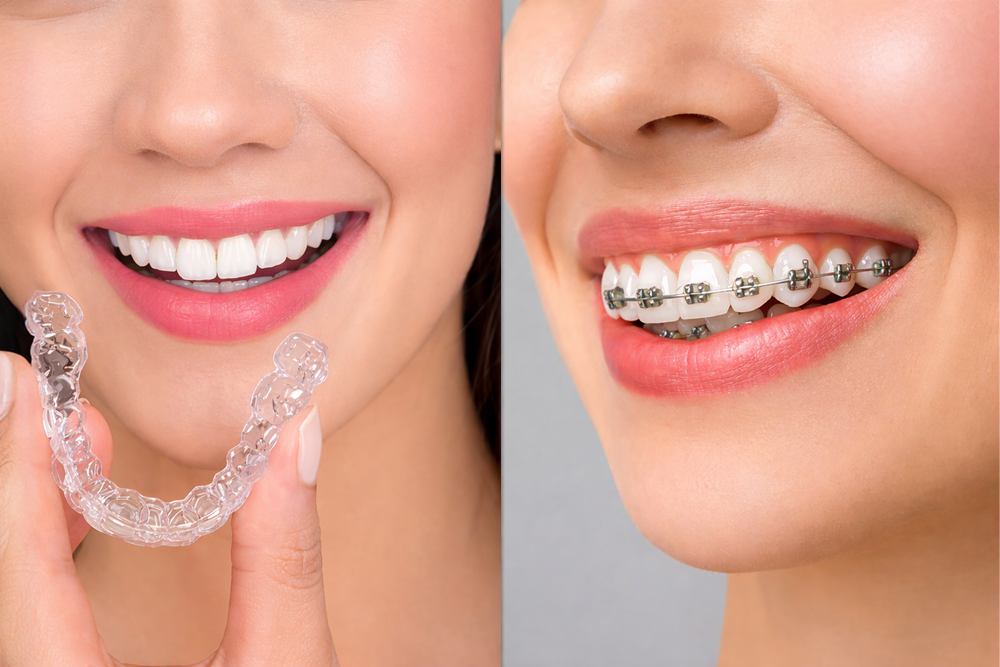
Aligners are better for patients who want a discreet, removable, and comfortable option for mild to moderate teeth alignment issues.
Braces are better for patients who have severe crowding, major bite problems, rotated teeth, or cases that need stronger correction.
So, aligners are not always better than braces. Braces are also not always better than aligners. The best treatment is the one that matches your dental condition.
What Are Clear Aligners?
Clear aligners are transparent trays that fit over your teeth. They are custom-made to move teeth gradually from their current position to the desired position.
A patient usually receives a series of aligners. Each aligner makes small planned movements. As the treatment progresses, the teeth slowly shift into better alignment.
Aligners are removed while eating, brushing, and flossing. This makes them convenient for many adults and teenagers.
Aligners work well only when the patient follows the treatment instructions. If they are removed frequently or not worn for enough time during the day, the teeth may not move as planned.
What Are Braces?
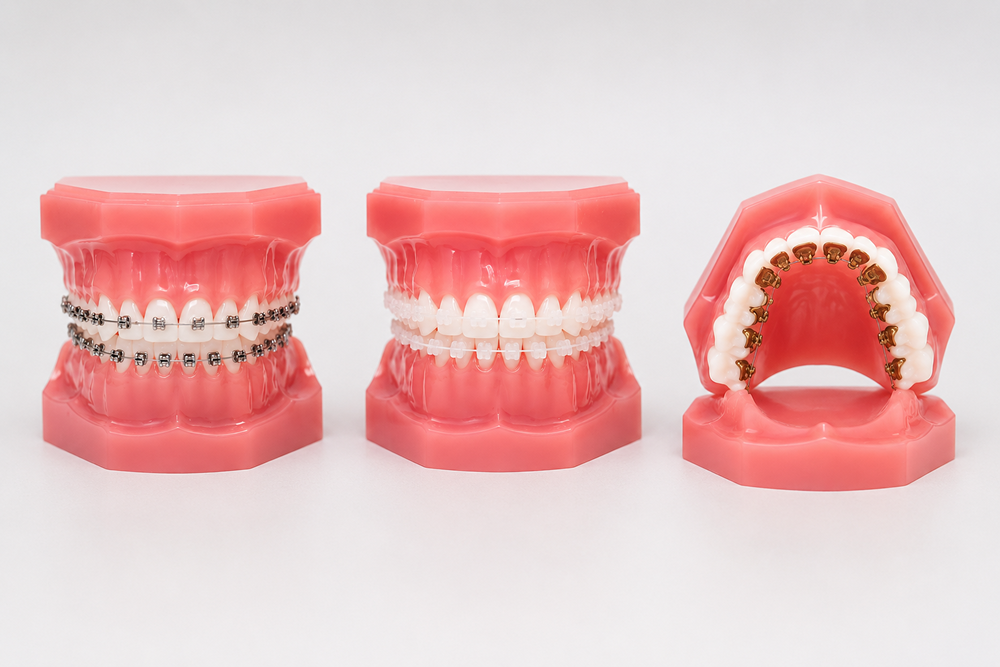
Braces are fixed orthodontic appliances. They use brackets, wires, and gentle pressure to move teeth into the correct position.
The brackets are attached to the teeth, and the wire helps guide movement. Your orthodontist adjusts the braces during follow-up visits to keep the treatment progressing.
Braces can be metal, ceramic, or other types depending on the case and patient preference.
Since braces are fixed, they keep working throughout the day. The patient does not have to remember to wear them.
Who Can Choose Braces?
Braces may be suitable for people with:
Severe teeth crowding
Complex bite issues
Deep bite, open bite, crossbite, or underbite
Rotated or tilted teeth
Larger gaps
Cases needing stronger tooth control
Difficulty following removable aligner routines
Braces are often recommended when the orthodontist needs more control over tooth movement.
Aligners vs Braces: Main Difference
The main difference between aligners and braces is how they work in daily life.
Aligners are removable. Braces are fixed.
Aligners are more discreet. Braces are more visible.
Aligners depend heavily on patient discipline. Braces continue working without needing the patient to wear or remove anything.
Aligners are easier during brushing and eating. Braces need more careful cleaning and some food restrictions.
Both can give excellent results when selected for the right case.
Which Works Faster: Aligners or Braces?
Treatment speed depends on the complexity of the case.
For simple alignment issues, aligners may show results faster because the movements are digitally planned in stages.
For complex cases, braces may be more predictable because they are fixed and allow stronger control.
The speed of treatment does not depend only on the appliance. It also depends on bone response, tooth movement, case severity, oral hygiene, and follow-up visits.
Case 1: Mild Teeth Crowding
For mild crowding, aligners can be a good choice. They can gently create space and guide teeth into better positions.
Many patients prefer aligners for mild crowding because the trays are clear and removable.
Braces can also correct mild crowding, but they may not always be necessary if aligners can manage the case well.
Case 2: Gaps Between Teeth
Small gaps can often be treated with clear aligners. The trays gradually bring teeth closer together.
If the gaps are large or linked to bite problems, braces may be a better option.
An orthodontist will check whether the spacing is only cosmetic or connected to a deeper bite issue.
Case 3: Crooked or Rotated Teeth
Minor rotations may be corrected with aligners.
But if a tooth is severely rotated, braces may provide better control. Brackets and wires can guide difficult tooth movements more effectively in some cases.
This is why a proper clinical examination is important before choosing treatment.
Case 4: Bite Problems
Bite correction is one of the biggest deciding factors.
Mild bite issues may be treated with aligners in selected patients. In some cases, attachments or elastics may be added to support movement.
For more complex bite problems, braces may be recommended. Braces allow the orthodontist to manage tooth position and bite correction more closely.
Comfort: Which Feels Better?
Clear aligners usually feel smoother because they do not have brackets or wires.
Some patients feel pressure when they switch to a new set of aligners. This pressure is normal and usually reduces as the teeth adjust.
Braces may cause mild discomfort after tightening or adjustment appointments. The brackets may also irritate the cheeks or lips in the beginning.
However, most patients adjust to braces within a short time.
Appearance: Which Looks Better?
Aligners are almost invisible, which makes them attractive for adults, college students, and working professionals.
Braces are more noticeable, especially metal braces. Ceramic braces are less visible than metal braces, but they are still not as discreet as clear aligners.
If appearance during treatment is a major concern, aligners may be preferred when the case is suitable.
Eating: Which Is Easier?
Aligners are removed before eating. This means patients can usually continue eating their regular food.
Braces stay fixed on the teeth, so some foods need to be avoided. Hard, sticky, and crunchy foods can damage brackets or wires.
Patients with braces should be careful with foods like hard nuts, sticky sweets, popcorn, and very crunchy snacks.
Cleaning: Which Is Easier to Maintain?
Aligners make brushing and flossing easier because they can be removed.
Patients should clean their teeth before putting the aligners back. Wearing aligners over unclean teeth can trap food particles and increase the risk of cavities or bad breath.
Braces need extra care because food can get stuck around brackets and wires. Patients may need special brushes or flossing tools to clean properly.
Good oral hygiene is important for both treatments.
Aligners vs Braces for Adults
Adults often prefer aligners because they are less visible and easier to manage during professional and social situations.
Aligners can be a good option for adults with mild to moderate alignment problems.
However, adults with complex bite concerns or severe crowding may still need braces.
The final decision should be based on dental condition, not only appearance.
Aligners vs Braces for Teenagers
Teenagers can choose either aligners or braces depending on their case and responsibility level.
Aligners may suit teenagers who can follow instructions properly and take care of the trays.
Braces may be better for teenagers who may forget to wear aligners or lose them often.
For many teens, braces are practical because they stay fixed and work continuously.
Cost of Aligners and Braces in Hyderabad
The cost of teeth alignment treatment in Hyderabad depends on several factors.
These include:
Type of treatment
Severity of the case
Duration of treatment
Number of aligners required
Type of braces selected
Digital scans and planning
Follow-up visits
Retainers after treatment
Clear aligners may cost more than traditional metal braces because they involve digital planning and custom-made trays.
Ceramic braces may cost more than metal braces because they are designed to look less noticeable.
The best way to know the cost is to visit an orthodontist for a complete evaluation.
Do Aligners and Braces Give Permanent Results?
Aligners and braces can create long-term results, but retention is important.
After treatment, patients usually need retainers. Retainers help keep the teeth in their new position.
Without retainers, teeth may slowly shift again over time.
This is why the treatment journey does not end when aligners or braces are removed. Retainer care is an important part of maintaining the smile.
How to Decide Between Aligners and Braces
You may consider aligners if:
You want a clear and removable option
Your case is mild to moderate
You can wear the trays as advised
You want easier brushing and flossing
You prefer fewer food restrictions
You may consider braces if:
Your case is more complex
You need stronger tooth movement
You have major bite correction needs
You prefer a fixed treatment
You may not be consistent with removable trays
The best decision should be made after an orthodontic consultation.
Why Choose Krishna Dental Hospitals for Aligners and Braces in Hyderabad?
Krishna Dental Hospitals provides orthodontic care for patients looking for teeth alignment treatment in Hyderabad.
With branches in Kukatpally, Kondapur, Kompally, and A.S. Rao Nagar, patients can visit a convenient location for consultation and treatment planning.
At Krishna Dental Hospitals, the orthodontic process may include:
Dental examination
Smile and bite assessment
Digital scan or X-ray if required
Case-specific treatment planning
Clear explanation of aligner and braces options
Follow-up care during treatment
Retainer guidance after treatment
The focus is not only on straightening teeth. The aim is to improve smile alignment, bite comfort, oral hygiene, and long-term dental health.
Final Recommendation
Aligners and braces are both effective treatments for teeth alignment.
Aligners may be ideal for patients who want a discreet and removable option for mild to moderate correction.
Braces may be ideal for patients who need stronger correction, fixed treatment, or more complex bite management.
If you are confused between aligners and braces, the right step is to get your teeth and bite evaluated by an orthodontist.
Book a consultation at Krishna Dental Hospitals in Hyderabad to understand which treatment option is suitable for your smile, timeline, and budget.
FAQs
1. Are aligners faster than braces?
Aligners may be faster for simple alignment issues. Braces may be faster for complex cases that need stronger tooth control. The exact timeline depends on the patient’s teeth and bite condition.
2. Are aligners painful?
Aligners may cause mild pressure when a new tray is started. This is usually manageable and reduces as the teeth adjust.
3. Can braces fix problems that aligners cannot?
Yes. Braces may be better for severe crowding, major rotations, complex bite issues, and cases that need more controlled movement.
4. Can I eat normally with aligners?
Yes. Aligners are removed before eating, so there are usually fewer food restrictions. Patients should brush or rinse before wearing the aligners again.
5. Do I need retainers after aligners or braces?
Yes. Retainers are important after both treatments. They help maintain the final tooth position and reduce the chance of teeth shifting again.
Author Bio
Dr. Naresh Krishna Reddy, BDS, MDS (Conservative Dentistry & Endodontics)
Dr. Naresh Krishna Reddy is the founder of Krishna Dental Hospitals and a practicing endodontist in Hyderabad. He holds a BDS and an MDS in Conservative Dentistry & Endodontics from MNR Dental College & Hospital, Sangareddy, and is a member of the Indian Dental Association and the Indian Endodontic Society. He has personally performed over 1,500 root canal treatments and has a special interest in minimally invasive endodontics and smile design.