Krishna Dental Hospitals

How to Fix a Chipped Tooth at Home

Chipped Tooth at Home

A chipped tooth can happen suddenly while eating hard food, during a fall, while playing sports, or because of teeth grinding. The first question most people ask is simple: Can I fix a chipped tooth at home?

The honest answer is: you can protect the tooth temporarily at home, but you cannot permanently repair a chipped tooth without a dentist. Home care can reduce pain, protect your tongue and cheeks from sharp edges, and prevent the damage from getting worse until you reach a dental clinic. However, lost enamel does not grow back on its own, and a chipped tooth needs professional treatment if the shape, strength, nerve, or appearance of the tooth is affected.

If you are looking for chipped tooth treatment in Hyderabad, Krishna Dental Hospitals offers dental care across Kukatpally, A.S. Rao Nagar, Kondapur, and Kompally, with clinic timings listed as Monday to Sunday, 10 AM to 8 PM.

What Should You Do First for a Chipped Tooth?

If your tooth chips, rinse your mouth gently with warm water, save the broken tooth piece if you can find it, control bleeding with clean gauze, use a cold compress for swelling, and cover any sharp edge with dental wax or sugar-free chewing gum until you see a dentist. The ADA recommends rinsing the mouth and keeping the area clean after a broken tooth, while NHS guidance says a broken tooth fragment can be placed in milk or saliva and taken to the dentist.

These steps do not “fix” the tooth permanently. They only protect the tooth until proper treatment is done.

Can You Really Fix a Chipped Tooth at Home?

No, you cannot permanently fix a chipped tooth at home.

A tooth is not like skin. It does not heal by closing over the damaged area. Once the outer enamel breaks, the lost part will not naturally grow back. Small chips may only need smoothing or bonding, but deeper chips can expose sensitive layers of the tooth and may need a filling, veneer, crown, or root canal treatment.

Home remedies, temporary dental kits, and dental wax can help for a short time. They are useful when the tooth has a sharp edge, mild sensitivity, or cosmetic discomfort. But they are not strong enough for chewing pressure, long-term protection, or infection prevention.

Never use household glue, super glue, nail glue, nail files, metal tools, or DIY drilling methods on a chipped tooth. These can damage the enamel, irritate the gums, burn soft tissues, expose the nerve, or make the tooth harder to save.

What to Do Immediately After Chipping a Tooth

1. Rinse Your Mouth Gently

Use warm water to clean the mouth and remove small particles. If the injury happened after eating or falling, rinsing helps clear food pieces, blood, or debris around the damaged tooth.

Avoid very hot or very cold water if the tooth feels sensitive. A deep chip can expose dentin, which reacts strongly to temperature.

2. Save the Broken Tooth Fragment

If you find the chipped piece, do not throw it away. Place it in milk or saliva and bring it to your dentist. In some cases, a dentist may be able to reattach the fragment or use it to understand the type of fracture. NHS guidance recommends storing the broken piece in milk or saliva before visiting a dentist.

Do not scrub the fragment or wrap it in tissue for a long time. Keeping it moist is better.

3. Stop Any Bleeding

If your lip, gum, or cheek is bleeding, press clean gauze gently over the area for about 10 minutes. If bleeding does not slow down, or if the injury came from a serious fall or accident, seek urgent medical or dental care.

4. Reduce Swelling With a Cold Compress

If your cheek or lip is swollen, apply a cold compress from outside the mouth. Cleveland Clinic recommends using a cold compress near a broken or chipped tooth to help relieve pain and reduce swelling.

Use it in short intervals. Do not place ice directly on the tooth because it may increase sensitivity.

5. Cover Sharp Edges

A chipped tooth can cut the tongue, inner cheek, or lip. If the edge feels sharp, cover it with orthodontic wax, dental wax, or sugar-free chewing gum as a temporary barrier.

This is only a short-term solution. Remove and replace it carefully when needed, and avoid chewing on that side.

6. Take Pain Relief Safely

If there is discomfort, you may take an over-the-counter pain reliever that you normally tolerate. Avoid placing aspirin or painkiller tablets directly on the gum or tooth. This can irritate or burn the soft tissue.

If pain is severe, constant, or throbbing, do not delay treatment. It may indicate nerve involvement.


What Not to Do After Chipping a Tooth

Do not chew hard food with the damaged tooth. Avoid nuts, ice, hard candy, bones, and sticky foods.

Do not file the tooth at home. Even if the edge feels small, filing can remove healthy enamel and worsen the fracture.

Do not use glue to attach the broken piece. Household adhesives are not safe for the mouth.

Do not ignore the chip because it is painless. A small chip may become a larger crack if the tooth is under pressure.

Do not wait if you have swelling, bleeding, pus, fever, severe pain, or a loose tooth.

When Is a Chipped Tooth an Emergency?

A minor enamel chip may not be an emergency, but you should still book a dental appointment. A bigger chip needs faster attention, especially if the tooth hurts or looks deeply broken.

See a dentist urgently if you notice:

  •  Severe tooth pain
  • Sensitivity to hot or cold that does not go away
  •  Bleeding from the tooth or gum
  •  A loose or displaced tooth
  •  Swelling in the face or gums
  •  A crack extending toward the gumline
  •  A broken front tooth affecting speech or biting
  •  A tooth fragment stuck in the lip, cheek, or tongue
  •  Pain while chewing

Dental trauma can affect both the visible tooth and the root below the gum. A dentist may need to take an X-ray to check how deep the damage goes.

Types of Chipped Teeth and What They Mean

Minor Enamel Chip

This is the simplest type. It usually affects only the outer surface of the tooth. It may feel rough but may not cause pain. A dentist may smooth the edge or restore it with tooth-colored bonding.

Dentin-Level Chip

If the chip reaches dentin, the tooth may feel sensitive to cold, sweet foods, air, or brushing. Dentin is softer than enamel, so it needs protection. Bonding, filling, or a veneer may be recommended depending on the tooth.

Deep Chip With Pulp Exposure

If the chip reaches the pulp, where nerves and blood vessels are present, pain may be intense. The tooth may bleed from the center or feel painful even without chewing. This often needs urgent care. In some cases, root canal treatment and a crown may be required to save the tooth.

Cracked Tooth With a Chip

Sometimes the visible chip is only part of the problem. A hidden crack can travel deeper into the tooth. If you feel pain while biting and releasing pressure, visit a dentist quickly.

Professional Treatments for a Chipped Tooth

Dental Bonding

Dental bonding is commonly used for small to moderate chips. The dentist applies a tooth-colored composite resin, shapes it to match the natural tooth, and hardens it with a curing light. It is often quick and useful for front teeth or visible areas.

Tooth Recontouring

For very small chips, the dentist may smooth and polish the rough edge. This improves comfort and prevents the tooth from scratching the tongue.

Dental Veneers

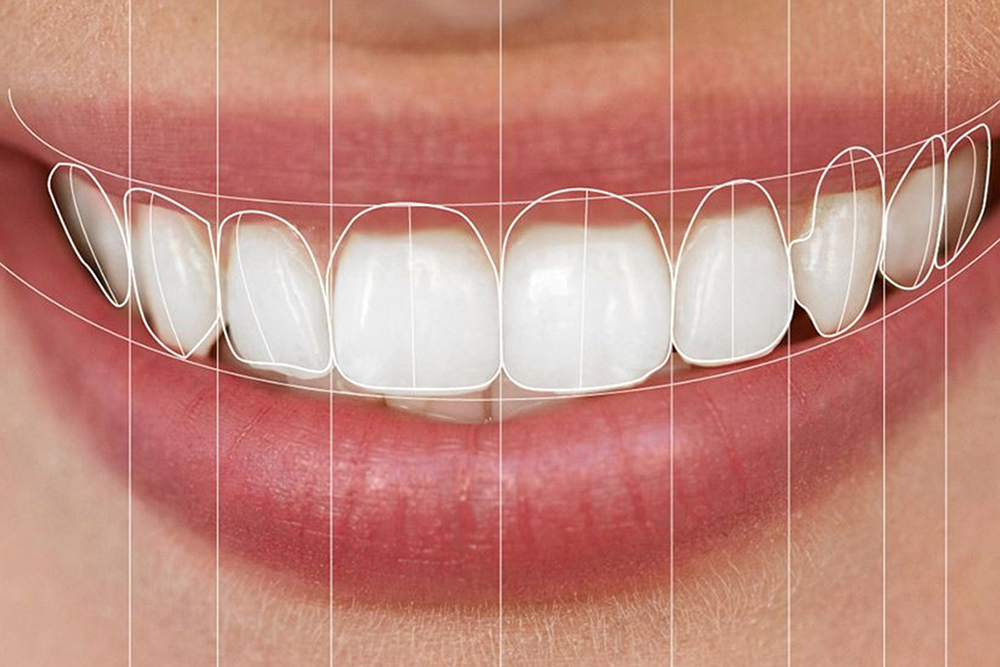
If the chip affects the front tooth and smile appearance, a veneer may be suggested. A veneer covers the front surface of the tooth and improves shape, color, and symmetry.

Dental Crown

If a large part of the tooth has broken, a crown may be needed. A crown covers and protects the remaining tooth structure so it can handle chewing pressure.

Root Canal Treatment

If the nerve is exposed or infected, root canal treatment may be needed. The dentist removes the infected or damaged pulp, cleans the inside of the tooth, and seals it. A crown is often placed after root canal treatment for strength.

Tooth Extraction

Extraction is usually the last option. It may be considered only when the tooth is severely fractured below the gumline or cannot be restored safely.

How Long Can You Wait Before Seeing a Dentist?

If the chip is small, painless, and only rough on the surface, you may be able to wait a few days for an appointment. If there is pain, swelling, bleeding, deep fracture, or sensitivity, visit a dentist as soon as possible.

Do not wait for pain to become unbearable. Early treatment can make the repair simpler, more affordable, and more predictable.

How to Prevent a Chipped Tooth in the Future

You cannot prevent every accident, but you can reduce the risk.

  • Wear a mouthguard while playing contact sports.
  • Avoid chewing ice, pens, hard candy, or bones.
  • Do not use your teeth to open packets or bottles.
  • Treat cavities early because weak teeth chip more easily.
  • Ask your dentist about a night guard if you grind your teeth.
  • Schedule regular dental checkups to catch cracks before they become serious.

If you already have old fillings, worn teeth, or sensitivity, a routine dental visit can help identify weak spots before they break.

Why Choose Krishna Dental Hospitals for Chipped Tooth Treatment in Hyderabad?

A chipped tooth needs the right treatment at the right time. At Krishna Dental Hospitals, patients can access restorative and emergency dental care across multiple Hyderabad locations, including Kukatpally, A.S. Rao Nagar, Kondapur, and Kompally. The hospital website lists dental services such as dental crowns, dental emergencies, veneers, root canal treatment, tooth extraction, and other restorative options.

Whether your chipped tooth is a small cosmetic concern or a painful dental emergency, a proper dental evaluation helps protect your natural tooth and restore your smile safely.

FINAL THOUGHT

You can manage a chipped tooth at home for a short time, but you cannot permanently fix it at home. Rinse your mouth, save the broken piece, protect sharp edges, avoid chewing on that side, and book a dental appointment.

A small chip can often be repaired easily. A deep chip needs faster care to prevent infection, pain, and further tooth damage. If you are in Hyderabad and need help with a chipped, broken, or painful tooth, visit Krishna Dental Hospitals for professional diagnosis and treatment.

Where You Can Find Us

You may also want to read

best dental hospital in Hyderabad- krishna Dental Hospital

Say Hello to a Healthy Smile!

Enjoy a Free Consultation and Tailored Dental Advice from Our Specialists

Say Hello to a Healthy Smile!

Enjoy a Free Consultation and Tailored Dental Advice from Our Specialists

best dental hospital in Hyderabad- krishna Dental Hospital
Scroll to Top