Porcelain Veneers vs. Composite Bonding | What’s the Difference?
Deciding between porcelain veneers and composite bonding is the first step toward a radiant smile. Both treatments effectively mask imperfections like gaps, chips, or deep stains, but they differ in longevity and application. For those seeking expert care, visiting the Best Dental Hospitals in Hyderabad ensures you receive a personalized treatment plan. At Krishna Dental Hospitals, specialists help you choose the right material based on your lifestyle and aesthetic goals. While porcelain offers a high-end, durable finish, composite bonding provides a faster, budget-friendly alternative. Understanding these differences allows you to invest confidently in a smile that enhances your overall appearance.
What Are Porcelain Veneers?
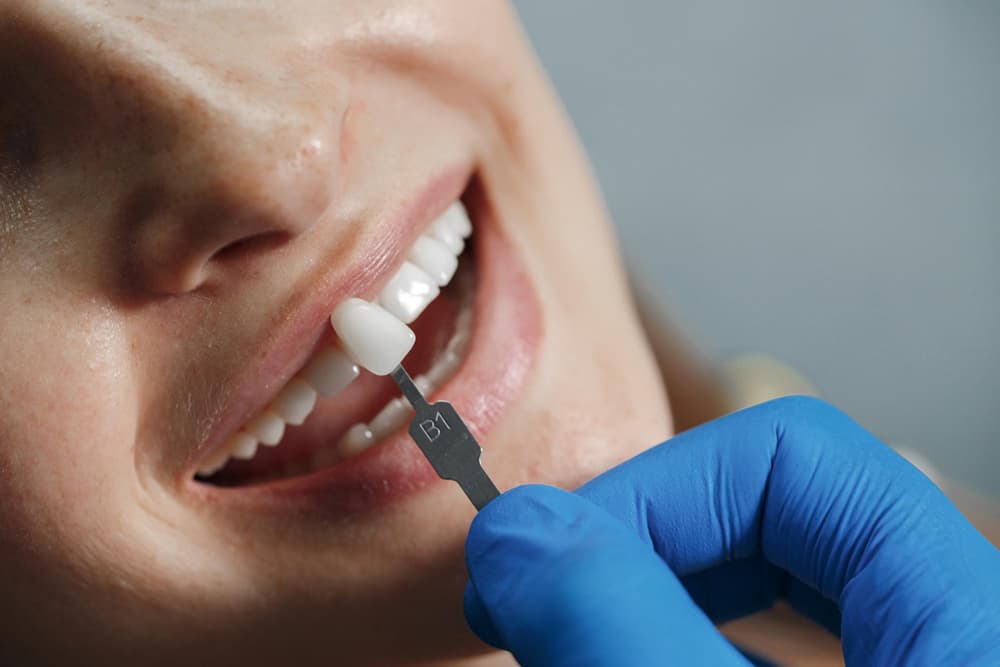
Porcelain veneers are thin, custom-crafted shells made of medical-grade ceramic. They are designed to fit over the front surface of your teeth, acting like a “mask” for imperfections. To apply them, a dentist usually removes a small layer of enamel so the veneer sits naturally. Because they are made in a laboratory, they perfectly mimic the translucency and light-reflecting qualities of natural teeth, making them virtually indistinguishable from the rest of your smile.
What Is Composite Bonding?
Composite bonding is a procedure where a tooth-colored resin—the same material used for dental fillings—is applied directly to the tooth. The dentist shapes and molds the resin to fix chips, close small gaps, or change the tooth’s shape. Once the desired look is achieved, a special high-intensity light “bonds” the material to the tooth. This process is non-invasive and is usually completed in just one visit without requiring much tooth preparation.
The Key Differences Between Porcelain Veneers and Composite Bonding
Aesthetic Appearance
Porcelain has a translucent quality that very closely resembles the depth of natural tooth enamel. It catches light in a way that is difficult to distinguish from “real” teeth. While composite resin looks excellent and is color-matched to your smile, it can sometimes appear slightly more opaque or matte over time as the polish wears down.
Durability and Strength
If you are looking for a long-term investment, porcelain is the clear winner. It is much harder than composite resin. While composite bonding is excellent for small repairs—like a chipped corner of a front tooth—it may not be as effective for full-mouth transformations involving heavy “bite” forces.
Reversibility
Composite bonding is generally reversible because the underlying natural tooth remains largely intact. If a patient decides they no longer want the bonding, it can often be removed. Porcelain veneers, however, require the permanent alteration of the tooth structure. Once a tooth is prepped for a veneer, it will always need some form of restoration to protect the exposed dentin.
Stain Resistance
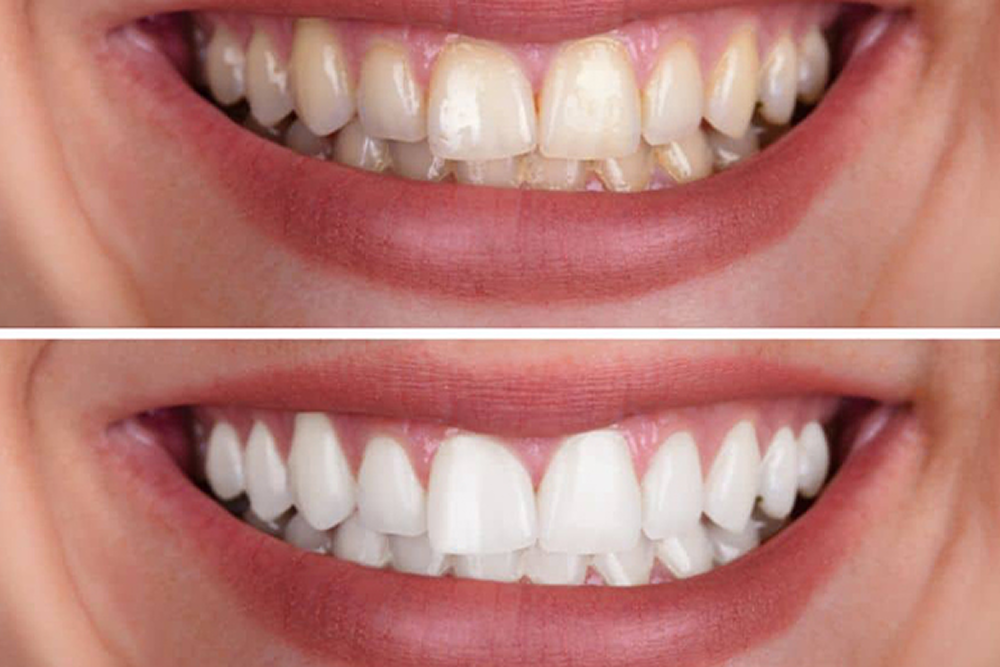
Porcelain is essentially glass; it does not absorb pigments. This makes it an ideal choice for smokers or heavy coffee drinkers who want a permanently white smile. Composite resin, being a plastic-based material, will eventually discolor and may require professional polishing to maintain its brightness.
Cost Considerations
Composite bonding is significantly more affordable in the short term. Since it doesn’t require laboratory fees and can be done in one sitting, the upfront cost is lower. Porcelain veneers represent a higher initial investment due to the material costs and the technical expertise required for laboratory fabrication. However, considering their longer lifespan, the “cost per year” may eventually even out.
Benefits of Composite Bonding
- Instant Results: You can walk out with a brand-new smile in a single appointment.
- Cost-Effective: It is the most budget-friendly way to fix cosmetic dental issues.
- Non-Invasive: It rarely requires drilling or the removal of natural tooth structure.
- Easy to Fix: If the bonding chips, it can be easily repaired in a single short visit.
Benefits of Porcelain Veneers
- Stain-Proof: Porcelain is highly resistant to coffee, tea, and cigarette stains.
- Natural Appearance: The ceramic texture looks exactly like real tooth enamel.
- Strength: They are much tougher than resin and can handle normal biting forces easily.
- Total Transformation: Ideal for fixing severe misalignment or dark internal stains that bonding cannot hide.
Composite Bonding vs Porcelain Veneers: Which is Better?
The choice between these two treatments often depends on the extent of the changes needed and the patient’s budget.
- Choose Composite Bonding if: You have minor imperfections, need a quick fix, or prefer a non-invasive treatment that preserves all of your natural enamel. It is also a great “trial” run for those considering cosmetic dentistry for the first time.
- Choose Porcelain Veneers if: You are looking for a total smile makeover, have significant discoloration that won’t respond to whitening, or want the most durable and stain-resistant option available.
For those seeking professional guidance and high-quality care, visiting the Best Dental Hospitals in Kondapur such as Krishna Dental Hospitals ensures that you receive a personalized treatment plan backed by modern technology and experienced clinicians.
Conclusion
Both porcelain veneers and composite bonding are transformative tools in cosmetic dentistry. One offers unparalleled beauty and longevity through a multi-step process, while the other provides a fast, cost-effective, and conservative way to enhance a smile. By consulting with a qualified dental professional, you can weigh these factors against your personal goals to achieve a healthy, confident, and radiant smile
Frequently Asked Questions (FAQs)
Does the procedure for veneers or bonding hurt?
Composite bonding is almost always painless and usually doesn’t require anesthesia. Porcelain veneers involve some tooth preparation, so a local anesthetic is typically used to ensure the patient is comfortable during the enamel removal process. Some sensitivity may occur for a few days after the permanent veneers are placed.
Can I whiten my veneers or bonding later?
No. Dental restorations like porcelain and composite resin do not respond to traditional whitening bleaches. If you plan to whiten your natural teeth, it is best to do so before the procedure so the dentist can match the restoration to your new, brighter shade.
What happens if a veneer or bonding chips?
If composite bonding chips, it can usually be repaired easily in a single visit by adding more resin. If a porcelain veneer chips or cracks, the entire shell usually needs to be replaced, as porcelain cannot be “patched” effectively while remaining aesthetically seamless.
Can I eat normally with veneers and bonding?
Yes, but with caution. While you can eat most foods, you should avoid biting directly into very hard items like candy, bones, or ice. It is also recommended to slice hard fruits like apples rather than biting into them with your front teeth to prevent unnecessary stress on the restorations.
How do I know if I have enough enamel for veneers?
A dentist will perform a comprehensive exam to check your enamel thickness. If the enamel is too thin, porcelain veneers may not bond correctly. In these instances, composite bonding or even a full dental crown might be a safer and more effective alternative.
Where You Can Find Us
You may also want to read
Say Hello to a Healthy Smile!
Enjoy a Free Consultation and Tailored Dental Advice from Our Specialists
Say Hello to a Healthy Smile!
Enjoy a Free Consultation and Tailored Dental Advice from Our Specialists