The most common signs you may need a root canal are persistent or throbbing tooth pain, sharp pain when biting or chewing, sensitivity to hot or cold that lingers well after the trigger is gone, a recurring pimple on the gums, a tooth that’s darkened compared to those around it, and swollen or tender gums near one specific tooth. These symptoms point to an infected or inflamed nerve inside the tooth — a problem medication alone can’t fix, and one that needs root canal treatment (RCT) rather than a simple filling. In Hyderabad, RCT cost varies by tooth: ₹2,500–₹5,000 for front teeth, ₹3,500–₹7,500 for premolars, and ₹5,000–₹12,000 for molars, with a crown afterward (₹3,000–₹15,000) often needed for back teeth that bear heavy chewing force.
Why Do Teeth Need Root Canal Treatment?
Root canal treatment becomes necessary when the pulp — the soft tissue and nerve inside a tooth — becomes infected or damaged, since this tissue cannot heal itself once bacteria reach it and medication alone cannot resolve an infection that deep inside the tooth. This typically happens for one of a few reasons: deep decay that eventually reaches the nerve, a cracked or fractured tooth that exposes the pulp to bacteria, trauma from a fall or injury, or repeated dental procedures on the same tooth that gradually weaken it.
Once the infection reaches the nerve, the only way to save the tooth is to remove the infected pulp, clean and disinfect the canals inside the root, and seal them to prevent the infection from returning or spreading further — which is exactly what root canal treatment does.
8 Signs You Might Need a Root Canal
Certain symptoms point toward nerve involvement inside a tooth rather than a surface-level issue, and recognizing them early usually means simpler treatment and a better outcome. Watch for:
Persistent or throbbing pain that keeps returning or doesn’t settle with over-the-counter pain relief
Sharp pain while biting or chewing, which often signals inflammation around the root or an infection inside the tooth
Lingering sensitivity to hot or cold that continues well after the stimulus is removed — a stronger signal than brief sensitivity that fades in a few seconds
Swollen or tender gums localized around one specific tooth, rather than a general area
A recurring bump or pimple on the gums, sometimes with a bad taste or discharge — this can indicate an abscess forming at the root tip
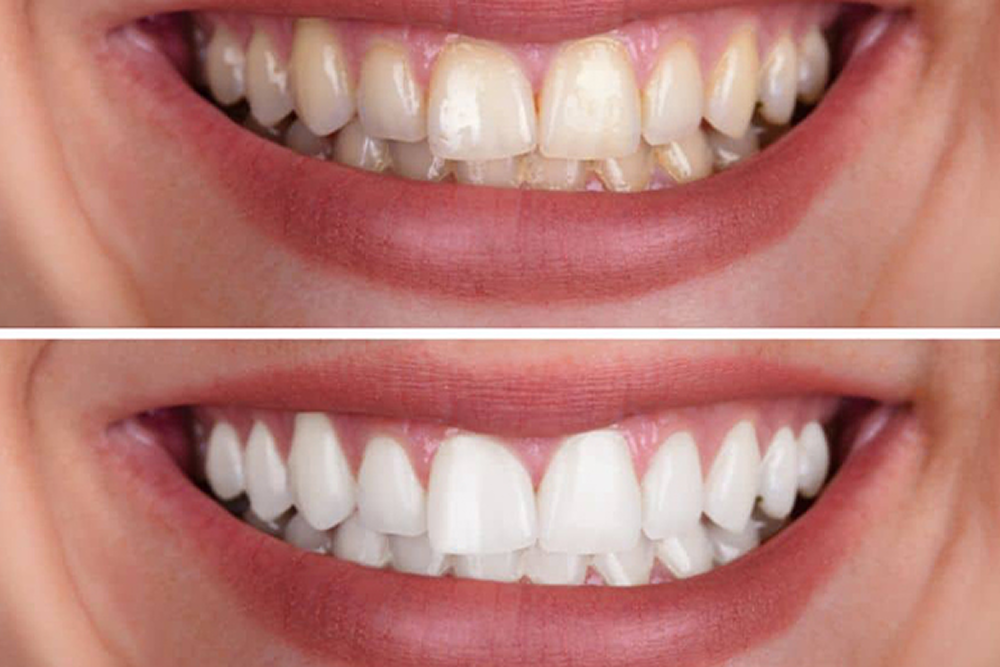
A tooth that’s darkened or discolored compared to the teeth around it, which can point to nerve damage from trauma or deep decay
Persistent bad breath or an unpleasant taste that doesn’t go away with brushing, which can signal infection inside the tooth
A cracked or chipped tooth with ongoing sensitivity, since even a small crack can allow bacteria to reach the nerve over time
Not every one of these guarantees a root canal is needed — but if you’re noticing more than one, especially pain that’s getting worse rather than better, it’s worth having it examined rather than waiting.
Is Root Canal Treatment Painful?
This is usually the first question people ask, and the honest answer is: modern root canal treatment is not the painful procedure it’s often made out to be. The tooth and surrounding area are fully numbed with local anesthesia before treatment begins, so what you feel during the procedure is pressure, not pain. The discomfort people associate with root canals is actually caused by the infection itself — the treatment is what ends that pain, not what causes it. Mild soreness for a day or two afterward is normal and typically manageable with over-the-counter medication.
Can Root Canal Treatment Be Done in a Single Sitting?
Yes, in many cases. Single-sitting RCT is possible when the infection is controlled, the tooth’s canal anatomy is straightforward, and there’s minimal swelling — the entire process of removing the infected pulp, cleaning the canals, and sealing the tooth is completed in one appointment, usually 60 to 90 minutes.
More complex cases — significant swelling, curved or unusually narrow canals, or a retreatment of a previously failed root canal — may need two or more visits, with medication placed inside the tooth between appointments to bring the infection under control first. Whether your case qualifies for single-sitting treatment depends on what your dentist finds during the clinical exam and X-ray, not on personal preference alone.
What Is Laser RCT, and Is It Worth It?
Laser-assisted root canal treatment uses laser technology during the cleaning and disinfection stage to reduce bacteria more thoroughly than manual cleaning alone, particularly in canals that are narrow or difficult to access completely. The goal is the same as conventional RCT — remove the infection, disinfect the canal system, and seal it — but with potentially faster healing and improved precision in complex cases.
It isn’t necessary for every case. Straightforward infections with clear canal anatomy often respond just as well to standard treatment. Laser or microscope-assisted RCT tends to matter most for molars with multiple canals, curved anatomy, or cases where a previous root canal missed a canal and needs retreatment.
Root Canal Treatment Cost in Hyderabad by Tooth Type
RCT cost depends heavily on which tooth is being treated, since the number of canals and the difficulty of accessing them varies significantly:
Front teeth (single canal): roughly ₹2,500–₹5,000, since these teeth have one straight root and are the most straightforward to treat
Premolars (1–2 canals): roughly ₹3,500–₹7,500
Molars (3 or more canals): roughly ₹5,000–₹12,000, reflecting the extra time, precision, and materials multi-canal teeth require
Retreatment of a failed root canal: typically 20–40% above first-time treatment cost, since old filling material must be removed before the canals can be recleaned
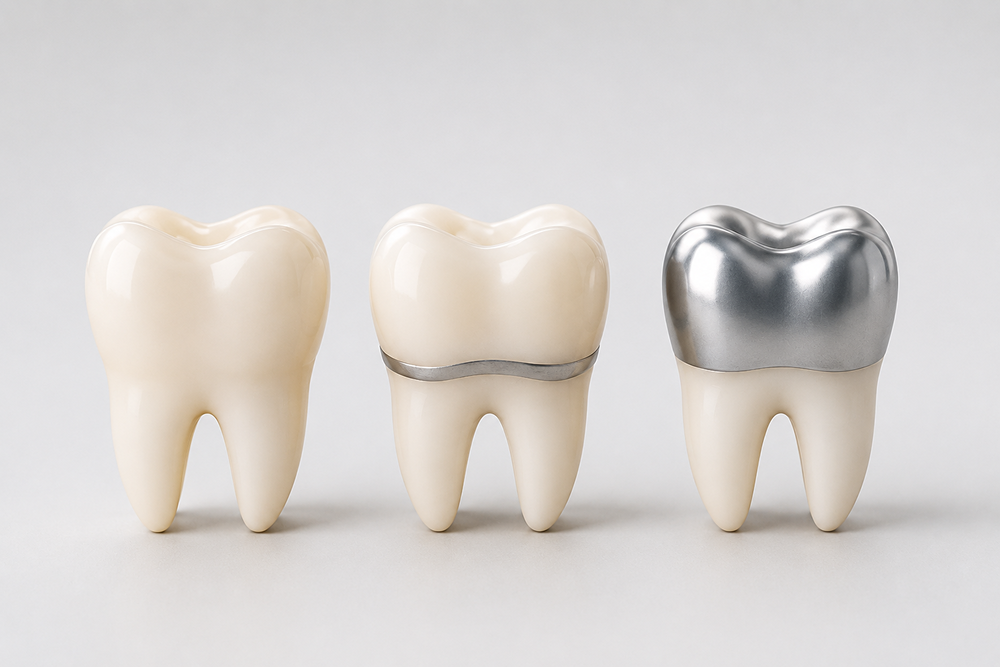
A crown afterward — often recommended for molars and premolars that bear significant chewing force — adds roughly ₹3,000–₹15,000 depending on the material chosen. (Note: these figures reflect general Hyderabad market rates gathered from multiple clinics — confirm Krishna Dental Hospitals’ current RCT and crown pricing before publishing or quoting to patients.)
What Happens After a Root Canal: Do You Always Need a Crown?
Not always, but often — particularly for molars and premolars. Once the infected pulp is removed, the tooth loses some of its internal moisture and becomes more brittle over time, which raises the risk of cracking under normal chewing pressure. Molars, which absorb the most force during chewing, are the teeth most commonly recommended for a dental crown after RCT. Front teeth, which experience far less biting force, sometimes only need a filling to restore the access opening, unless the tooth is already fractured or visibly discolored.
Root Canal vs. Extraction: Why Save the Tooth?
When a tooth is severely infected, it’s natural to wonder whether extraction might just be simpler. In most cases, saving the natural tooth through root canal treatment is the better long-term option. Extracting a tooth leaves a gap that can affect chewing and allow neighboring teeth to shift over time, often requiring a dental implant later to restore full function — which typically costs more overall than treating and crowning the original tooth would have. Root canal treatment is generally recommended whenever the tooth’s underlying structure is healthy enough to support it.
How Dentists Confirm You Need a Root Canal
A dentist or endodontist checks for the specific triggers that point toward nerve involvement — sensitivity to hot, cold, and biting pressure — and examines the tooth and surrounding gums for swelling or tenderness. X-rays are a standard part of this evaluation, since they reveal the extent of infection near the root that isn’t visible during a clinical exam alone. Based on these findings, the dentist confirms whether the tooth can be saved with root canal treatment or whether an alternative approach is needed.
If you’re dealing with lingering sensitivity that doesn’t quite fit the picture above, our guide to tooth sensitivity causes and solutions covers the other common reasons teeth react to temperature, in case a root canal isn’t actually what’s going on.
When Should You See a Dentist?
If you’re experiencing persistent pain, swelling, or any of the signs above, it’s worth getting it checked rather than waiting — untreated infections don’t resolve on their own and typically get more painful and more expensive to treat the longer they’re left. If your symptoms include significant swelling or pain that’s rapidly worsening, treat it as urgent; our guide on emergency dental visits covers what to expect if you need same-day care.
At Krishna Dental Hospitals, our team provides an accurate diagnosis before recommending treatment, with options for single-sitting RCT and laser-assisted treatment when suitable, plus clear guidance on restoring the tooth with a filling or crown afterward. Book a free consultation at one of our Hyderabad locations — Kondapur, Kukatpally, Kompally, or A.S. Rao Nagar — if you’re noticing any of the signs above.
Dr. Naresh Krishna Reddy(BDS, MDS – Conservative Dentistry and Endodontics, MNR Dental College) leads the clinical team at Krishna Dental Hospitals, with a specialized focus on root canal therapy and saving teeth affected by deep decay or infection.
Medical Disclaimer
This article is for general informational purposes only and does not substitute professional dental advice, diagnosis, or treatment. Whether a tooth needs root canal treatment depends on an individual clinical examination and X-ray, and should always be assessed by a qualified dentist or endodontist.