How Long Does Invisalign Take
Invisalign treatment generally takes 6 to 18 months, although the exact duration is different for every patient. Minor gaps or mild crowding may sometimes be corrected in around 3 to 6 months, while moderate alignment problems can take 6 to 12 months. More complex crowding or bite correction may require 12 to 24 months or longer.
Your treatment time mainly depends on the condition of your teeth and bite, the number of aligners required, how consistently you wear them, and whether refinement aligners are needed. Wearing Invisalign aligners for around 20 to 22 hours every day is one of the most important ways to keep treatment on schedule. ental examination and digital scan are necessary before your dentist can give you a personalised and reliable timeline.
What is Invisalign?
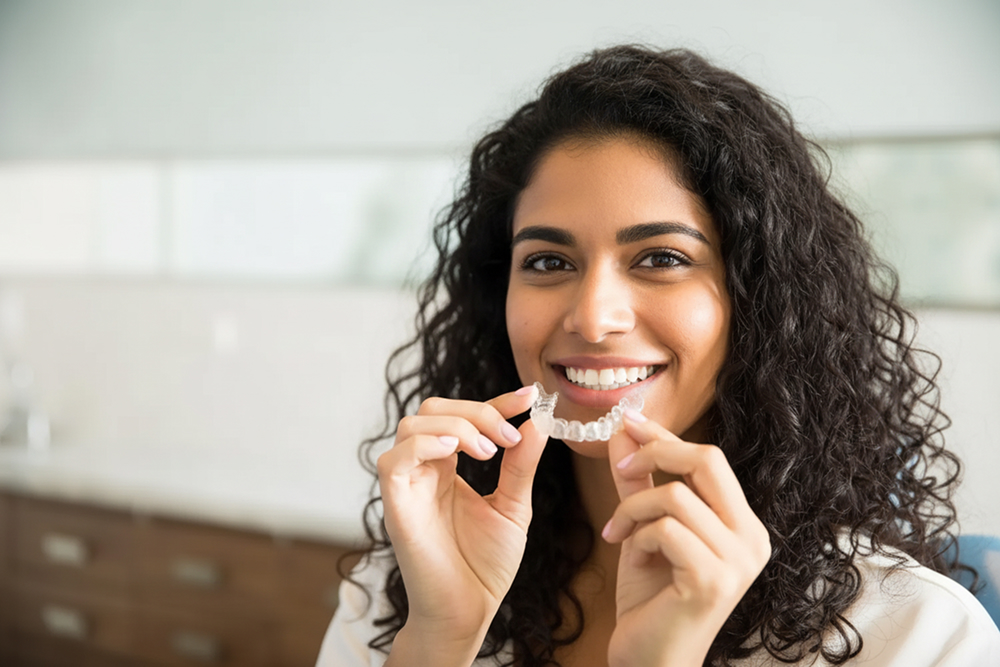
Invisalign is a clear aligner treatment used to straighten teeth without metal brackets and wires. It uses a series of transparent, removable trays that gently move your teeth into the correct position.
Each aligner is custom-made for your mouth. You wear one set for a specific period and then move to the next set. Over time, your teeth shift step by step.
Invisalign can help correct:
- Crowded teeth
- Gaps between teeth
- Mild to moderate crooked teeth
- Forwardly placed teeth
- Bite alignment issues
- Teeth shifting after previous braces
Because the aligners are almost invisible, many patients prefer Invisalign for its clean appearance and daily convenience.
What Is the Average Invisalign Treatment Time?
Most Invisalign patients complete their active treatment within approximately 6 to 18 months. However, this range should be treated as a general estimate rather than a guaranteed schedule.
A typical timeline may look like this:
- Minor gaps or mild crowding: Around 3 to 6 months
- Moderate crowding or crooked teeth: Around 6 to 12 months
- Multiple alignment and bite concerns: Around 12 to 18 months
- Complex orthodontic cases: Around 18 to 24 months or longer
Some patients begin noticing small changes within the first few weeks. However, seeing an improvement does not mean treatment is complete. The teeth must continue moving through the planned stages until the roots, alignment and bite reach a stable position.
Patients who are new to clear aligner treatment can first read What Are Aligners? to understand how removable aligners straighten teeth.
How Does Invisalign Move Your Teeth?
Invisalign uses a planned series of transparent, removable aligners. Each aligner is designed to apply controlled pressure to selected teeth and move them gradually.
The treatment usually follows these stages:
1. Dental Examination
Your dentist examines your teeth, gums, jaw relationship and bite. Existing concerns such as cavities or gum inflammation may need to be managed before orthodontic treatment begins.
2. Digital Scan and Treatment Planning
A digital scan creates a three-dimensional model of your teeth. The dentist uses this information to plan the direction of tooth movement and estimate how many aligner stages may be required.
3. Custom Aligner Production
A sequence of aligners is manufactured according to your treatment plan. Each tray is slightly different and continues the movement created by the previous one.
4. Daily Aligner Wear
You will normally be instructed to wear the trays for most of the day and night, removing them only for meals, drinks other than water, brushing and flossing. The American Association of Orthodontists advises that clear aligners are commonly worn for at least 22 hours a day. 5. Progress Reviews
Your dentist reviews how well the aligners are fitting and whether your teeth are following the planned movement. Depending on the case, additional scans or small treatment adjustments may be required.
6. Refinements and Retention
Some patients need refinement aligners after completing their initial series. Once the final position is achieved, retainers are prescribed to help prevent the teeth from shifting back.
Krishna Dental Hospitals’ Invisalign treatment service includes digital smile scanning, personalised planning, custom aligners, progress monitoring and post-treatment guidance. What Factors Affect How Long Invisalign Takes?
Severity of the Alignment Problem
Closing one small gap generally requires less movement than correcting severe crowding, rotated teeth or multiple bite problems. The more complex the required movement, the longer treatment may take.
Number and Type of Tooth Movements
Not every tooth moves in the same way. A slight forward or backward adjustment may be relatively straightforward, while rotating a tooth or changing the bite can require more stages.
Daily Wear Time
Clear aligners work only while they are being worn. Regularly leaving them out for several hours can interrupt the planned pressure and cause the teeth to fall behind schedule.
How Well the Aligners Fit
An aligner should sit closely over the teeth. If it remains visibly lifted, feels unusually loose or stops fitting correctly, the teeth may not be tracking according to the treatment plan.
Do not move to the next set without professional advice when the current aligner does not fit properly. Contact your dentist so the cause can be assessed.
Oral Health
Active gum disease, untreated cavities or other dental problems may need attention before or during treatment. Maintaining healthy teeth and gums helps your treatment progress more smoothly.
Refinement Aligners
Teeth do not always respond exactly as predicted. Your dentist may recommend another digital scan and a short series of additional aligners to improve the final alignment or bite. Refinements are a normal part of many orthodontic treatment plans, but they can add several weeks or months.
Lost or Damaged Aligners
Losing an aligner, exposing it to hot water or damaging it can interrupt your schedule. Your dentist will advise whether you should temporarily wear the previous tray, move forward or order a replacement.
How Soon Will You Notice Invisalign Results?
Many patients notice that a gap looks smaller or a front tooth appears straighter before reaching the end of treatment. Early changes may become noticeable within the first few weeks or months, depending on which teeth are being moved first.
However, visible improvement is only one part of orthodontic treatment. Your dentist must also consider:
- How the upper and lower teeth meet
- Whether the teeth are moving safely
- Whether the aligners are tracking correctly
- Whether the roots and surrounding tissues are responding well
- Whether the final position will remain stable
Stopping Invisalign simply because your smile appears straighter can leave the treatment incomplete and increase the chance of future shifting.
Is Invisalign Faster Than Traditional Braces?
Invisalign is not automatically faster than braces. Treatment duration depends more on the orthodontic problem and the required tooth movement than on the appearance of the appliance.
Invisalign may offer an efficient option for selected mild to moderate cases, especially when the patient wears the aligners consistently. Traditional braces may be more appropriate for certain complex movements because they remain fixed to the teeth and do not depend on daily patient compliance.
The right question is not only, “Which treatment is faster?” It is, “Which treatment can correct my teeth and bite safely and predictably?”
Your dentist may recommend Invisalign, other clear aligners or braces treatment after evaluating your condition, lifestyle and treatment goals.
Can You Make Invisalign Work Faster?
Teeth should not be forced to move faster than the supporting bone and gums can safely manage. However, you can prevent avoidable delays by following your prescribed routine.
To keep treatment on track:
- Wear your aligners for the recommended number of hours
- Change to the next set only on the date advised
- Remove aligners before eating
- Brush and floss before putting them back
- Keep every scheduled review appointment
- Store aligners in their protective case
- Avoid washing them with hot water
- Contact your dentist when an aligner is lost or damaged
- Report poor fitting, unusual pain or unexpected tooth movement
Consistency is more valuable than trying to rush the process.
What Happens After the Last Invisalign Tray?
Finishing the final tray does not always mean your entire orthodontic journey is over.
Your dentist will examine the final alignment and bite. If certain teeth have not reached their planned position, refinement aligners may be recommended. Once active movement is complete, you will need a retainer.
Teeth naturally have a tendency to move after orthodontic treatment. Retainers hold them in their corrected position while the surrounding tissues adapt. Your dentist will explain whether the retainer should initially be worn for longer hours before moving to night-time use.
Long-term retainer wear is important for protecting the result achieved through Invisalign. Who May Be Suitable for Invisalign?
Invisalign may be considered for teenagers and adults with concerns such as:
- Mild or moderate crowding
- Gaps between teeth
- Crooked or slightly rotated teeth
- Teeth that shifted after previous braces
- Selected overbite, underbite or open-bite concerns
- Patients who prefer a discreet and removable appliance
Clear aligners may not be the most appropriate option for every complex orthodontic or jaw-related condition. A professional assessment is necessary to determine whether aligners, braces or a combined approach would provide the most predictable result.
You can also read Why Invisalign Aligners? Benefits and Limitations before deciding whether clear aligners fit your daily routine.
Choosing an Invisalign Provider in Hyderabad
A reliable Invisalign consultation should include a complete examination, digital records, realistic timeline, explanation of alternatives, transparent treatment planning and post-treatment retainer support.
Avoid choosing treatment based only on the shortest promised duration. An extremely fast estimate may not consider the health of your gums, the complexity of your bite or the need for controlled movement.
For people searching for Best Dental hospitals in Hyderabd, Krishna Dental Hospitals provides Invisalign, clear aligner, braces and comprehensive orthodontic care across its Hyderabad locations.
Frequently Asked Questions
Can Invisalign straighten teeth in three months?
Three-month treatment may be possible only for selected minor corrections. Most patients need a longer plan to achieve complete and stable alignment.
What happens if I wear Invisalign for less than 20 hours?
Occasionally removing the aligners for longer than planned may not completely stop treatment, but repeatedly doing so can cause poor tracking and extend the overall timeline.
How many Invisalign trays will I need?
The number depends on the type and amount of movement required. A digital scan and treatment plan are needed before your dentist can provide an estimate.
Do refinement aligners mean the treatment has failed?
No. Refinements are used to improve movements that did not progress exactly as expected or to make final corrections to the alignment and bite.
How long do I need retainers after Invisalign?
Retainer instructions vary by patient. Many people require long-term night-time wear after an initial period of more frequent use. Follow the schedule prescribed by your dentist.
Start With a Personalised Invisalign Timeline
The most accurate answer to “How long does Invisalign take?” can only be given after examining your teeth, bite and oral health. While many treatments fall within the 6-to-18-month range, your individual plan may be shorter or longer.
Krishna Dental Hospitals offers digital evaluation, personalised Invisalign planning, regular progress monitoring and retainer guidance. Book a free dental consultation or call +91 88868 45454 to understand your expected treatment time and available smile-correction options.
Medical Disclaimer
This blog is intended for general educational purposes and should not be considered a diagnosis, treatment plan or substitute for professional dental advice. Invisalign suitability, treatment duration and results vary according to the patient’s teeth, bite, gum health and treatment compliance. Consult a qualified dentist or orthodontic professional for an examination and personalised recommendation.
Where You Can Find Us
You may also want to read
Say Hello to a Healthy Smile!
Enjoy a Free Consultation and Tailored Dental Advice from Our Specialists
Say Hello to a Healthy Smile!
Enjoy a Free Consultation and Tailored Dental Advice from Our Specialists