Krishna Dental Hospitals

Invisalign vs. Braces : Which is Better

Achieving a perfect smile is a journey that many embark on, but the first crossroads often involves a difficult choice: Invisalign vs. Braces. As orthodontic technology evolves in 2026, residents seeking the best care at Dental Hospitals in Hyderabad have more options than ever. Whether you are a professional looking for a discreet solution or a parent choosing the most reliable path for your teenager, understanding the nuances of these treatments is essential.

While both methods aim to align teeth and correct bite issues, they differ significantly in application, lifestyle impact, and technical requirements. This guide will explore everything from the mechanics of movement to the specialized care provided at top-tier centers like Krishna Dental hospitals.

Overview: The Evolution of Orthodontic Care

The landscape of dentistry has shifted from a “one-size-fits-all” approach to highly personalized digital treatment planning. Traditionally, metal braces were the standard for anyone needing tooth alignment. However, the rise of clear aligners like Invisalign has introduced a level of convenience and aesthetics previously thought impossible.

In a bustling urban hub, finding quality care is paramount. For those living in the western corridors, Dental hospitals in Kukatpally offer state-of-the-art facilities that bridge the gap between traditional reliability and modern innovation. Whether you opt for the fixed strength of braces or the flexible transparency of Invisalign, the goal remains a functional, confident smile.

How They Work: Constant Force vs. Digital Precision

The Mechanics of Traditional Braces

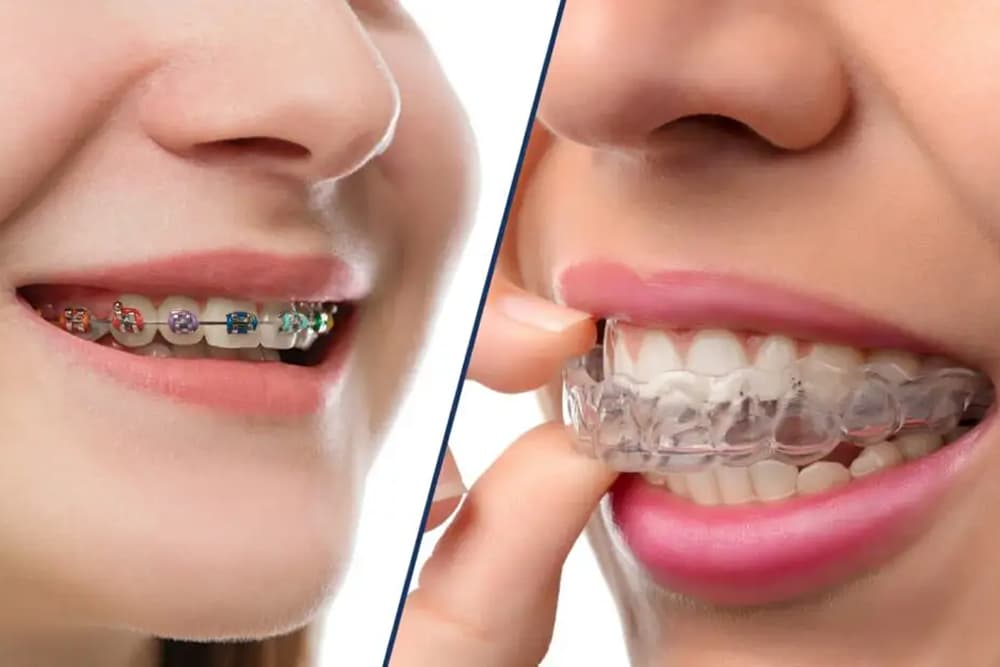
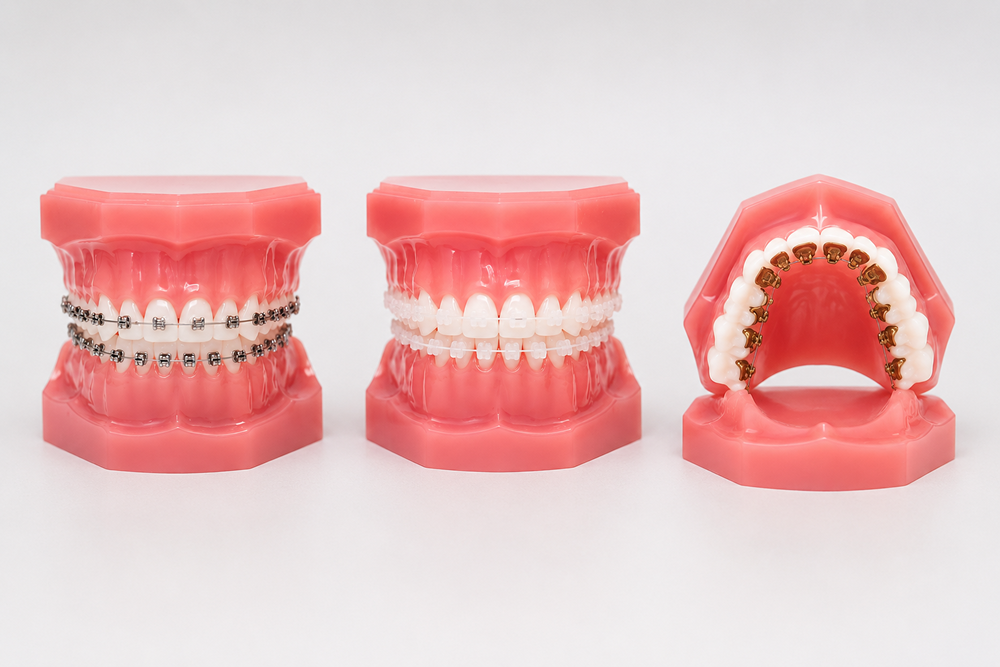
Traditional braces consist of metal or ceramic brackets bonded to each tooth, connected by an archwire. This system works through “constant force.” During periodic adjustments, your orthodontist tightens the wire, which puts pressure on the teeth to move them into the desired position.

  • Control: Braces are excellent for complex movements, such as rotating a cylindrical tooth or closing large gaps.
  • Reliability: Since they are fixed, there is no risk of losing them or forgetting to wear them.

The Science of Invisalign

Invisalign utilizes a series of custom-made, clear plastic aligners. Using advanced 3D imaging technology, a digital roadmap of your smile is created. Each set of aligners is worn for about 1–2 weeks, gradually pushing the teeth into place.

  • The SmartTrack Advantage: Modern aligners use proprietary materials that provide gentle, consistent pressure.
  • Attachments: Small, tooth-colored “bumps” are often placed on the teeth to help the aligners grip and move them more effectively.

Aesthetics and Self-Confidence

The primary reason patients gravitate towards Invisalign is the “invisible” factor. For adults and teens concerned about their appearance in social or professional settings, clear aligners provide a nearly undetectable way to straighten teeth.

Conversely, braces are visible, but they have become much more “lifestyle-friendly.” Many Dental Hospitals in Hyderabad now offer ceramic (clear) brackets that blend with the natural tooth color, or lingual braces that are placed behind the teeth. For younger patients, customizing the colors of their elastic bands has even become a fun way to express their personality during treatment.

Lifestyle Impact: Eating and Hygiene

The Removability Factor

The biggest lifestyle difference lies in the ability to remove the appliance.

  • Invisalign: You remove your trays to eat, drink, brush, and floss. This means there are zero food restrictions. You can continue enjoying popcorn, nuts, and sticky treats without fear of breaking a bracket.
  • Braces: Certain foods are “off-limits” because they can damage the hardware. Hard or sticky foods can snap wires or dislodge brackets, leading to emergency visits.
Oral Hygiene Maintenance

Invisalign makes maintaining clean teeth much simpler.. Because the trays come out, you can brush and floss as you normally would. With braces, food often gets trapped in the hardware. You must be diligent with specialized tools like interdental brushes or water flossers to prevent plaque buildup and staining around the brackets.

Treatment Complexity and Duration

When comparing Invisalign vs. Braces, the “better” option often comes down to the severity of the dental issue.

  • Complex Cases: For severe overcrowding, significant bite misalignments (like deep overbites), or jaw-related issues, braces are often the superior choice. They provide the mechanical leverage needed for difficult vertical movements.
  • Mild to Moderate Cases: Invisalign is incredibly efficient for closing small gaps and correcting minor crowding. In some instances, Invisalign can actually be faster because it moves all the teeth simultaneously according to a pre-programmed digital plan.

Facilities such as Krishna Dental hospitals utilize advanced diagnostics to determine which path will yield the most stable long-term result for each unique patient.

Finding the Right Specialist in Hyderabad

Geography and accessibility play a role in your treatment success. Orthodontic work requires regular check-ups, so choosing a convenient location is vital.

  • Dental Hospitals in Hyderabad: The city has become a global hub for dental tourism, offering world-class technology at a fraction of the cost found in Western countries.
  • Dental hospitals in Kukatpally: As a major residential and commercial center, Kukatpally hosts several premier clinics equipped with iTero scanners and 3D modeling software, ensuring that local residents don’t have to travel far for high-end care.
Comfort and Pain Management

Both treatments involve some level of discomfort as teeth begin to shift.

  • Braces: The main complaint is often the sharp edges of the brackets or the ends of wires poking the cheeks. Orthodontic wax is usually required to protect the soft tissues of the mouth.
  • Invisalign: The plastic is smooth, so there is rarely any cutting or scraping. However, every time you switch to a new set of trays, you will feel a “pressure” or “tightness” for a day or two, which indicates the teeth are moving correctly.
Cost Comparison in 2026

In the past, Invisalign was significantly more expensive than braces. However, as the technology has become more widespread, the price gap has closed.

  • Traditional Braces: Usually the most budget-friendly, starting from approximately ₹35,000 to ₹70,000.
  • Invisalign: Typically ranges from ₹90,000 to ₹3,50,000 depending on the complexity and the number of aligners required.

Most Dental Hospitals in Hyderabad now offer flexible EMI (Equated Monthly Installment) plans, making even the premium clear aligner options accessible to a wider range of patients.

Final Verdict: Which is Better?

The “better” treatment is the one that aligns with your clinical needs and your personal discipline.

  • Choose Invisalign if you want to maintain your current diet, value a discreet appearance, and are disciplined enough to wear the trays for at least 22 hours a day.
  • Choose Braces if you have a complex orthodontic case, prefer a “hands-off” approach where you don’t have to worry about losing aligners, or are looking for the most cost-effective solution.

Consulting with experts at Krishna Dental hospitals or other reputable Dentist in Hyderabad is the best way to get a professional recommendation tailored to your specific dental anatomy.


Frequently Asked Questions (FAQs)


How long do I have to wear Invisalign each day?

To achieve the results predicted by your digital plan, you must wear your Invisalign aligners for 20 to 22 hours per day. They should only be removed for eating, drinking anything other than water, and your oral hygiene routine.

Are braces more painful than Invisalign?

Braces tend to cause more “surface” discomfort due to the metal components rubbing against the lips and cheeks. While both treatments cause “pressure” pain as teeth move, Invisalign is generally considered more comfortable because it lacks sharp edges.

Can I get Invisalign if I had braces in the past?

Yes! Many adults who had braces as children but experienced “relapse” (teeth shifting back) choose Invisalign to touch up their smile. It is an excellent way to correct minor shifts without returning to metal hardware.

How often do I need to visit the dentist during treatment?

For braces, you typically visit every 4 to 6 weeks for adjustments. For Invisalign, visits are often less frequent—usually every 6 to 10 weeks—as you are given several sets of aligners to change at home.

Will insurance cover the cost of Invisalign or Braces in Hyderabad?

Many modern dental insurance plans and corporate health benefits provide coverage for orthodontic treatments. However, the extent of coverage varies. It is best to check with your provider and the billing department at your chosen dental hospital.

Where You Can Find Us

You may also want to read

best dental hospital in Hyderabad- krishna Dental Hospital

Say Hello to a Healthy Smile!

Enjoy a Free Consultation and Tailored Dental Advice from Our Specialists

Say Hello to a Healthy Smile!

Enjoy a Free Consultation and Tailored Dental Advice from Our Specialists

best dental hospital in Hyderabad- krishna Dental Hospital
Scroll to Top