
Smoking vs. Vaping: A Guide to Oral Health Risks
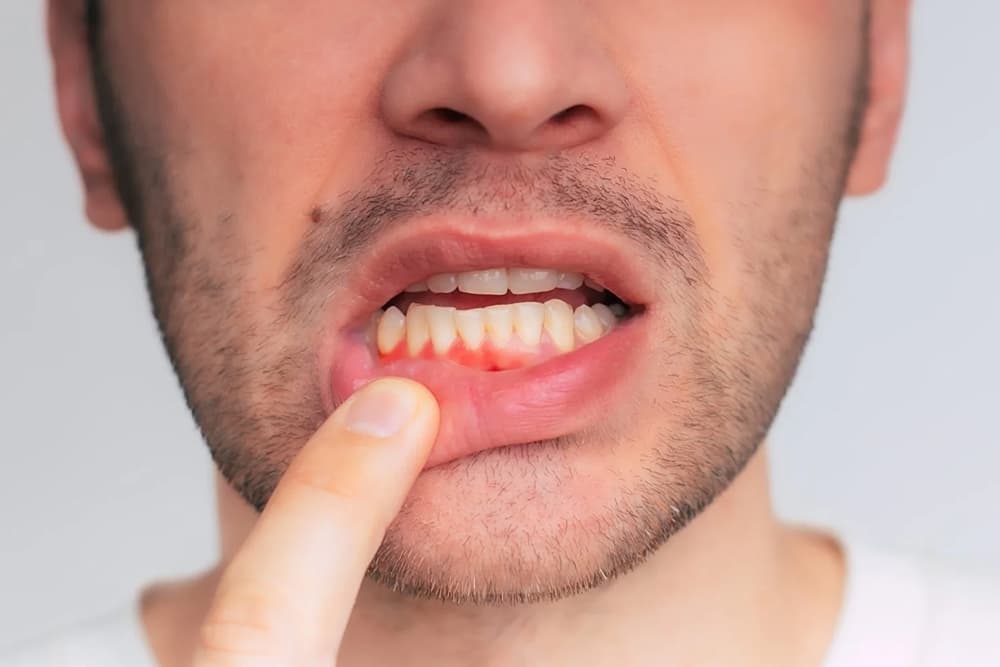
Every week, patients walk into dental clinics across Hyderabad and say the same thing — “I switched to vaping, so I thought my teeth would be fine.”
It is one of the most common misconceptions in modern dental health. The shift from cigarettes to e-cigarettes feels like progress. No tar. No combustion. No visible smoke. But your teeth, gums, and saliva tell a very different story.
Both smoking and vaping interfere with your mouth’s ability to protect itself. They do it in different ways, through different chemicals, but they share one damaging outcome: your oral health suffers. Understanding exactly how each habit affects your mouth — and what that means for your long-term dental health — is the first step toward protecting your smile before problems become irreversible.
What Is Actually Happening Inside Your Mouth When You Smoke?
When cigarette smoke enters the mouth, it does not simply pass through. The toxic compounds in tobacco — including nicotine, tar, carbon monoxide, formaldehyde, and hundreds of other chemicals — make direct contact with every surface inside your mouth.
The first system to be disrupted is your blood supply. Nicotine causes blood vessels to constrict, reducing the flow of oxygen-rich blood to your gum tissue. This is not a temporary inconvenience. Over months and years, reduced circulation means gum tissue cannot repair itself efficiently, cannot fight bacterial invasion effectively, and cannot signal distress through normal means like bleeding.
This is why gum disease in smokers so often goes undetected until it is already severe. Bleeding gums — one of the earliest and most reliable warning signs of periodontal disease — may not appear because the blood flow to the gums is already compromised. By the time a smoker notices tooth mobility, receding gums, or persistent pain, the underlying bone structure may already be significantly degraded.
Beyond gum damage, smoking directly contributes to tooth decay by altering saliva composition and reducing its protective capacity. Saliva is not just moisture — it is the mouth’s first line of chemical defence. It neutralises acids, washes away bacteria, and remineralises enamel. When nicotine and tobacco chemicals change how saliva functions, cavities become more likely and progress faster.
What smoking does to oral health:
- Increases the risk of gum disease (periodontal disease) significantly
- Reduces blood circulation to gum tissue, masking early warning signs
- Stains teeth yellow-brown through tar deposits
- Causes persistent bad breath (halitosis) that does not resolve with brushing alone
- Slows healing after tooth extractions, implant surgery, and gum treatment
- Raises the risk of oral cancer, particularly on the tongue, cheek lining, and throat
- Contributes to tooth decay by weakening saliva’s protective function
What Is Actually Happening Inside Your Mouth When You Vape?
Vaping delivers nicotine (in most cases) through aerosol rather than combustion smoke. Because there is no burning tobacco, vaping avoids certain toxins found in cigarette smoke. This is where the “safer” reputation originates — but it is a comparison that misses the full picture when it comes to oral health.
E-cigarette aerosol is not water vapour. It is a chemical mixture that typically includes nicotine, propylene glycol, vegetable glycerin, and a wide range of flavouring compounds. When this aerosol fills the mouth, it creates conditions that damage dental health through multiple pathways.
Dry mouth is the most immediate and consistent effect. Propylene glycol, a key ingredient in most vape liquids, actively absorbs moisture. The mouth becomes dry — not just uncomfortable, but biologically unprotected. Without adequate saliva, acid-producing bacteria thrive, plaque accumulates faster, and the risk of both tooth decay and gum irritation climbs.
Oral microbiome disruption is a less visible but equally serious concern. Research published in the journal Evidence-Based Dentistry (2024–2025) identified that e-cigarette users showed distinct shifts in their oral bacteria, including elevated levels of Porphyromonas gingivalis and Fusobacterium nucleatum — two bacterial species strongly associated with progressive periodontal disease. In other words, vaping appears to create a bacterial environment inside the mouth that favours disease.
Oxidative stress and tissue damage represent another mechanism unique to vaping. A 2024 study published in Frontiers in Oral Health demonstrated that chemicals in vape aerosol cause oxidative stress in oral soft tissues, breaking down cellular layers and contributing to inflammation, ulcers, and delayed healing — particularly after dental procedures.
What vaping does to oral health:
- Causes dry mouth (xerostomia) through propylene glycol absorption
- Disrupts the natural balance of oral bacteria, favouring harmful strains
- Introduces nicotine, which reduces gum blood flow and masks inflammation
- Creates conditions that accelerate plaque formation
- Increases risk of cavities, especially with sweet-flavoured liquids
- Damages soft tissue through oxidative stress and chemical exposure
- Slows healing after oral surgery or dental treatment
Smoking vs. Vaping: A Direct Oral Health Comparison
| Oral Health Factor | Smoking | Vaping |
|---|---|---|
| Gum Disease Risk | High — well established | Moderate — emerging evidence |
| Tooth Staining | Severe (tar deposits) | Minimal to none |
| Bad Breath | Persistent, strong | Moderate (dry mouth-related) |
| Dry Mouth | Moderate | High (propylene glycol effect) |
| Cavity Risk | Elevated | Elevated (especially sweet flavours) |
| Oral Cancer Risk | High | Under study — not risk-free |
| Healing After Dental Treatment | Significantly impaired | Impaired (nicotine effect) |
| Masking of Gum Symptoms | Yes (reduced bleeding) | Yes (nicotine reduces circulation) |
The comparison makes one thing clear: smoking carries more severe and better-documented long-term oral damage. But vaping is not a dental health-neutral alternative. It creates its own set of risks — some of which may prove equally serious as research continues to develop.
The Nicotine Problem Both Share
One oral health risk unites smoking and vaping entirely: nicotine.
Whether delivered through combustion or aerosol, nicotine causes vasoconstriction — the narrowing of blood vessels — in gum tissue. This has two consequences that directly threaten oral health.
First, it deprives the gum tissue of the oxygen and nutrients it needs to stay healthy and repair itself. Second, it suppresses the normal inflammatory response that produces bleeding. This is critically important for patients who believe their gums are healthy because they are not bleeding. Nicotine can mask early-stage gum disease, allowing it to advance undetected until bone loss is already occurring.
This is why both smokers and vapers require more frequent dental monitoring, not less. The absence of visible symptoms does not mean the absence of disease — it may simply mean the nicotine is hiding it.
Who Is Most at Risk? A Note on Young Adults and Teens in India
Vaping rates among young adults aged 18–24 have risen across urban India, including cities like Hyderabad, Bangalore, and Mumbai. Many young people begin vaping without having ever smoked, drawn in by flavoured e-liquids marketed as modern and harmless lifestyle products.
This is concerning for several reasons. Nicotine addiction can establish itself quickly in younger users. Early nicotine exposure during adolescence affects brain development and creates stronger dependency patterns. And the oral health consequences of vaping — dry mouth, microbiome disruption, gum irritation — begin accumulating from the very first months of use, long before any visible symptoms appear.
For this population specifically, vaping is not a harm-reduction strategy. It is a new risk being adopted without historical context or established long-term data.
Warning Signs That Require a Dental Visit
Do not wait for pain before seeing your dentist. Many serious oral conditions — especially gum disease — progress silently. If you smoke or vape, watch for these early indicators:
- Gums that appear red, swollen, or have pulled away from the teeth
- Persistent bad breath that does not improve with brushing or mouthwash
- Noticeable dryness or a sticky feeling inside the mouth
- Increased tooth sensitivity, particularly to temperature
- Loose teeth or a change in how teeth fit together when biting
- White or red patches inside the mouth, on the tongue, or on the cheek lining
- Mouth sores or ulcers that have not healed within two weeks
- Bleeding gums (even occasional bleeding is worth investigating)
Any of the above — especially in a smoker or vaper — warrants professional evaluation. Early-stage gum disease is treatable. Advanced periodontitis with bone loss is not reversible.
How to Protect Your Oral Health If You Currently Smoke or Vape
Step 1: Consider quitting. This is the single most impactful action for your oral health. Speak to your doctor or a cessation counsellor about support options. In Hyderabad, several hospitals and health centres offer dedicated tobacco and nicotine cessation programmes.
Step 2: Increase dental visit frequency. At minimum, schedule professional cleanings and oral health checks every six months. If you have existing gum disease or are a long-term smoker, your dentist may recommend three-monthly visits.
Step 3: Address dry mouth actively. Drink water consistently throughout the day. Consider an alcohol-free oral rinse formulated for dry mouth. Avoid caffeine and alcohol, which worsen dehydration. Your dentist can prescribe saliva substitutes if the dryness is severe.
Step 4: Maintain a rigorous at-home oral care routine. Brush for two full minutes twice daily using fluoride toothpaste. Clean between teeth daily using floss or interdental brushes. Do not skip this — plaque that builds between teeth is the primary driver of gum disease.
Step 5: Request oral cancer screening. Smokers and long-term vapers should have a soft tissue examination at every dental visit to check for early changes in the mouth lining, tongue, or throat.
Conclusion: Your Mouth Keeps a Record of Every Cigarette and Every Vape
The mouth is one of the most accurate indicators of a person’s overall health — and one of the first places where the effects of tobacco and nicotine become visible. Staining, gum recession, dry mouth, slow-healing sores, and bad breath are not just cosmetic inconveniences. They are signs of deeper biological changes that, left unaddressed, lead to tooth loss, irreversible bone damage, and elevated cancer risk.
Smoking does more documented damage. Vaping is not the clean alternative it is marketed to be. And neither choice supports the oral health your teeth and gums need to last a lifetime.
If you currently smoke or vape — and especially if you have not seen a dentist in the past year — a professional oral health check is not optional. It is urgent.
Krishna Dental Hospitals provides comprehensive oral health evaluations, gum disease treatment, professional cleaning, cavity management, and personalised dental care at locations across Hyderabad including Kondapur, Kukatpally, A.S. Rao Nagar, and Kompally. Book your free consultation today and give your smile the care it deserves.