Krishna Dental Hospitals

Why Teeth Cleaning is Important?

Teeth Cleaning

Professional teeth cleaning is important because brushing and flossing cannot remove hardened tartar from the teeth or below the gum line. A dental cleaning removes plaque, tartar and certain surface stains, helping to protect the gums, manage bad breath and identify early dental problems.

Many people benefit from regular professional cleaning, but the right interval is not identical for everyone. Your dentist may recommend appointments based on your gum health, tartar buildup, tobacco use, diabetes, previous gum disease and daily oral-hygiene habits.

What Is Professional Teeth Cleaning?

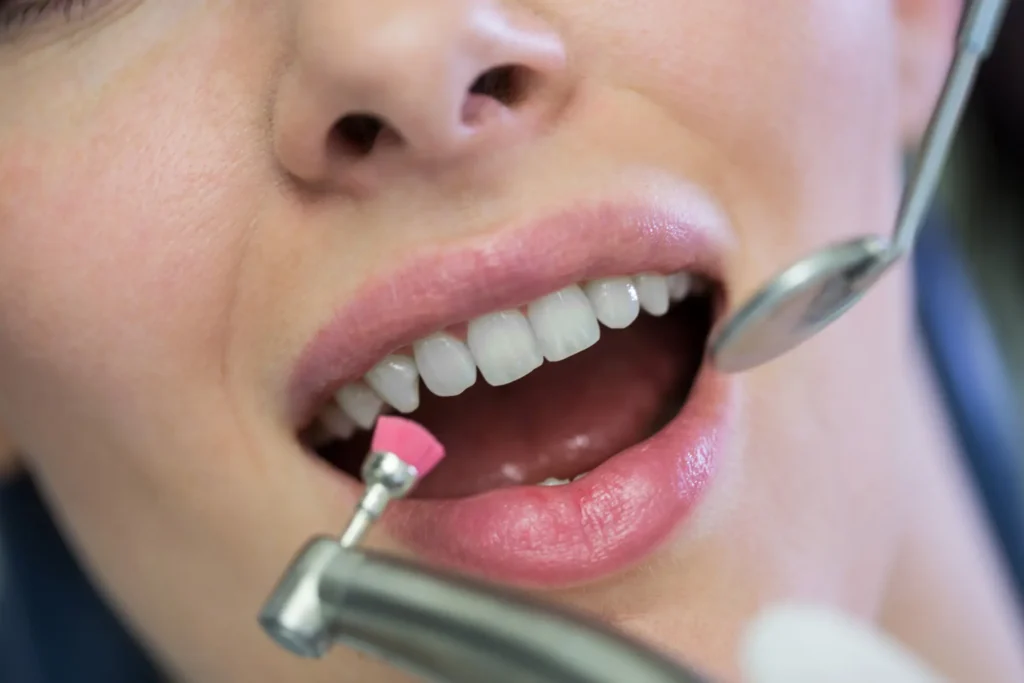
Professional teeth cleaning, commonly called scaling and polishing, is a preventive dental procedure performed by a dentist or trained dental professional. It removes deposits collected on the teeth and around the gum line.

Plaque is a soft, sticky bacterial film that continuously develops on teeth. Regular brushing and interdental cleaning remove much of it. When plaque remains for too long, it can absorb minerals from saliva and harden into tartar, also called calculus.

Tartar cannot be removed safely with an ordinary toothbrush. Only professional dental instruments can remove firmly attached tartar from the tooth surface.

A routine cleaning may include:

  • An examination of the teeth and gums
  • Removal of plaque and tartar
  • Polishing of the tooth surfaces
  • Personalised oral-hygiene advice
  • Recommendations for further treatment, when necessary

Why Is Teeth Cleaning Important If You Brush Every Day?

Daily brushing and cleaning between the teeth are essential, but even a good home-care routine may not reach every surface effectively.

Tartar commonly develops:

  • Behind the lower front teeth
  • Between crowded or overlapping teeth
  • Around crowns, bridges and dental restorations
  • Near the gum line
  • In areas that are difficult to reach with a toothbrush

Once tartar has formed, brushing harder will not remove it. Aggressive brushing may instead irritate the gums or contribute to tooth wear.

Professional cleaning supports your home-care routine by removing hardened deposits and helping you identify the areas that require greater attention. It should be viewed as part of preventive dental care, not as a replacement for brushing and flossing.

What Are the Benefits of Professional Teeth Cleaning?

1. It Helps Prevent Gingivitis and Gum Disease

Plaque and tartar near the gum line can irritate the gums. Early inflammation may cause redness, swelling, tenderness or bleeding while brushing. This early stage of gum disease is known as gingivitis.

When gingivitis is not appropriately managed, inflammation can progress and affect the tissues and bone supporting the teeth. This more advanced condition is known as periodontitis.

Periodontitis may cause:

  • Receding gums
  • Persistent bad breath
  • Deep spaces between the teeth and gums
  • Pain while chewing
  • Loose teeth
  • Tooth loss in advanced cases

Professional cleaning removes plaque and tartar that contribute to gum inflammation. Patients who already have periodontal disease may require deep cleaning or another form of gum treatment rather than standard preventive cleaning.

Persistent bleeding, swelling, gum recession or loose teeth should be professionally examined rather than ignored.

2. It Helps Protect Your Natural Teeth

Advanced gum disease can damage the bone and tissues that keep teeth stable. As this support is gradually lost, teeth may become mobile and can eventually require removal.

Regular dental examinations and appropriate professional cleaning help dentists identify gum problems earlier, when they may be easier to control.

Protecting your natural teeth also supports:

  • Comfortable chewing
  • Clear speech
  • Proper nutrition
  • Natural facial support
  • Long-term oral function

Professional cleaning is therefore not only about making the teeth look cleaner. It is also an important part of maintaining the structures that support them.

3. It Can Reduce Bad Breath Caused by Oral Buildup

Bad breath can develop for several reasons, including:

  • Plaque and tartar
  • Tongue coating
  • Food trapped between teeth
  • Dry mouth
  • Smoking or tobacco use
  • Tooth decay
  • Gum disease
  • Poorly cleaned dentures or appliances

When plaque, tartar or gum inflammation contributes to bad breath, professional cleaning may make a noticeable difference.

However, cleaning is not a universal cure for persistent halitosis. Ongoing bad breath should be evaluated so that cavities, gum infections, dry mouth or non-dental causes are not overlooked.

4. It Removes Certain External Stains

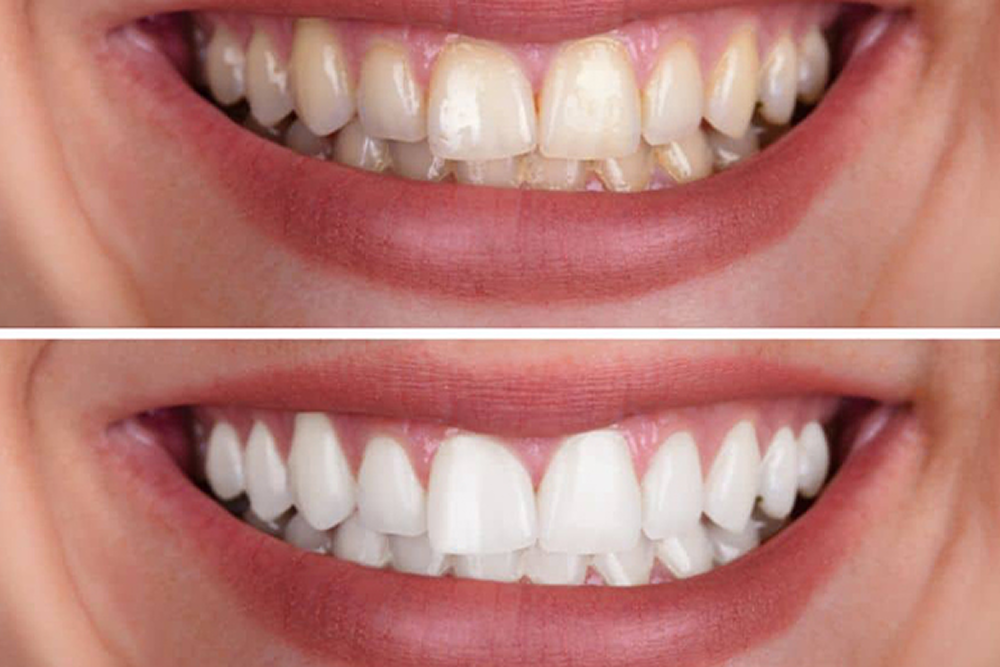
Tea, coffee, tobacco and strongly coloured foods can leave external stains on the tooth surface. Polishing during a professional cleaning may remove or reduce some of these stains, making the teeth look cleaner and fresher.

However, teeth cleaning and teeth whitening are not the same procedure.

Cleaning removes plaque, tartar and surface deposits. Whitening uses specially formulated products to lighten the natural shade of the teeth.

Patients seeking a visibly lighter tooth colour may require a separate professional teeth-whitening treatment after a dentist confirms that their teeth and gums are healthy.

5. It Supports the Early Detection of Dental Problems

A professional cleaning appointment commonly includes an examination of the teeth, gums and existing restorations.

During this assessment, the dentist may identify:

  • Early tooth decay
  • Bleeding or inflamed gums
  • Deep periodontal pockets
  • Damaged fillings
  • Cracked teeth
  • Enamel wear
  • Tooth sensitivity
  • Changes in the soft tissues of the mouth

Professional cleaning does not treat an existing cavity. When decay is detected, your dentist may recommend suitable dental cavity treatment according to its depth, position and severity.

Detecting problems before they cause severe pain may reduce the need for more complex treatment.

What Happens During a Teeth-Cleaning Appointment?

The exact procedure depends on your gum health and the amount of plaque and tartar present.

Oral and Gum Examination

The dentist first examines your teeth, gums and oral tissues. Gum measurements or dental X-rays may be recommended when there are signs of bone loss, deep gum pockets or another problem that cannot be fully evaluated visually.

Scaling

A hand scaler or ultrasonic instrument is used to remove plaque and tartar from the tooth surfaces and around the gum line.

Ultrasonic instruments use rapid vibrations and water to loosen hardened deposits and wash away debris. Manual instruments may also be used to clean specific areas more precisely.

Polishing

After scaling, the teeth may be polished to smooth the surfaces and reduce certain external stains.

Polishing can make the teeth feel cleaner, but it does not change their natural colour in the way that professional whitening can.

Oral-Hygiene Guidance

Your dentist may demonstrate the correct brushing technique and recommend:

  • Dental floss
  • Interdental brushes
  • A water flosser
  • A soft-bristled toothbrush
  • Fluoride toothpaste
  • A specialised mouthwash when clinically appropriate

A routine cleaning is generally straightforward. Mild sensitivity or gum tenderness may occur when there is heavy tartar buildup or existing inflammation.

Is Routine Cleaning the Same as Deep Cleaning?

No. Routine cleaning, deep cleaning and periodontal maintenance have different purposes.

Routine Teeth Cleaning

Routine cleaning is generally performed for patients who do not have significant gum attachment or bone loss. It removes plaque, tartar and certain stains as part of preventive dental care.

Deep Cleaning

Deep cleaning usually refers to scaling and root planing. It reaches below the gum line to clean the root surfaces when deep periodontal pockets and gum disease are present.

Deep cleaning may require:

  • Local anaesthesia
  • Treatment over more than one appointment
  • Cleaning of individual sections of the mouth
  • Follow-up periodontal assessment
Periodontal Maintenance

Periodontal maintenance is ongoing professional care provided after active gum-disease treatment. These appointments may be recommended more frequently because periodontal disease can return or progress without continued monitoring.

Scaling and root planing are specifically used to remove deposits above and below the gum line and clean affected root surfaces.

Patients with advanced gum concerns can also ask about laser gum therapy and other periodontal treatments. The appropriate option depends on the diagnosis; laser treatment is not necessary for every patient with bleeding gums.

How Often Should You Get Your Teeth Cleaned?

There is no single professional-cleaning schedule that is appropriate for every patient.

Six-monthly appointments are common, but your dentist may recommend a shorter or longer interval after assessing your oral health and disease risk. People with healthy gums and minimal tartar buildup may not require the same schedule as patients with active or previous periodontal disease.

More frequent professional care may be recommended for people with:

  • Previous gum disease
  • Rapid tartar accumulation
  • Persistent bleeding or swollen gums
  • Diabetes or another condition affecting oral health
  • Smoking or tobacco habits
  • Crowded teeth that are difficult to clean
  • Braces, implants, bridges or multiple restorations
  • Dry mouth
  • A high risk of tooth decay

Follow the schedule recommended after your dental examination rather than relying on a universal interval.

What Are the Signs You May Need Teeth Cleaning?

Arrange a dental assessment if you notice:

  • Rough or hard deposits on your teeth
  • Bleeding while brushing or flossing
  • Red or swollen gums
  • Persistent bad breath
  • Gum recession
  • Stains that do not improve with brushing
  • Food repeatedly becoming trapped
  • A long gap since your previous dental visit

Pain is not a reliable early warning sign. Gingivitis and early periodontal problems may develop with little discomfort. Waiting for pain can allow a manageable condition to become more complicated.

Can Home Remedies Replace Professional Teeth Cleaning?

No home remedy can safely remove firmly attached tartar.

Using lemon, vinegar, abrasive powders or sharp objects may:

  • Damage tooth enamel
  • Irritate the gums
  • Cause cuts or infections
  • Scratch crowns or fillings
  • Increase tooth sensitivity

A safe home routine should include brushing twice daily with fluoride toothpaste and cleaning between the teeth every day. Interdental cleaning helps reach areas that an ordinary toothbrush cannot clean effectively.

Your dentist can recommend floss, interdental brushes or a water flosser according to the spacing and condition of your teeth.

For additional diet guidance, read Foods for Healthy Teeth: The Ultimate Guide to a Radiant Smile.

Teeth Cleaning in Hyderabad: When Should You Book?

You do not need to wait for pain, heavy staining or visible gum disease before arranging a dental visit.

A professional examination can determine whether you require:

  • Routine scaling and polishing
  • Deep cleaning
  • Periodontal maintenance
  • Gum-disease treatment
  • Improved home-care guidance

For people searching for the Best Dental hospitals in Hyderabd, Krishna Dental Hospitals provides professional teeth cleaning and comprehensive dental care at its Kondapur, Kukatpally, Kompally and A.S. Rao Nagar locations. The hospital website lists these four Hyderabad branches and provides consultation booking support.

Book a Professional Teeth-Cleaning Consultation

Healthy gums create the foundation for a healthy, confident smile. If your gums bleed, your teeth feel rough near the gum line or you cannot remember your last cleaning, schedule a professional evaluation at Krishna Dental Hospitals.

The dental team can assess your gum health, explain the type of cleaning you need and provide personalised aftercare instructions.

Book your free dental consultation or call +91 88868 45454.

Medical Disclaimer

This article is provided for general educational purposes only. It should not be considered a diagnosis, treatment plan or replacement for a professional dental examination.

The need for teeth cleaning, type of procedure and recommended appointment interval vary according to the patient’s oral health, medical history, gum condition and clinical findings. Consult a qualified dentist for personalised advice, particularly if you experience pain, swelling, loose teeth, persistent bleeding or another concerning symptom.

Where You Can Find Us

You may also want to read

best dental hospital in Hyderabad- krishna Dental Hospital

Say Hello to a Healthy Smile!

Enjoy a Free Consultation and Tailored Dental Advice from Our Specialists

Say Hello to a Healthy Smile!

Enjoy a Free Consultation and Tailored Dental Advice from Our Specialists

best dental hospital in Hyderabad- krishna Dental Hospital
Scroll to Top